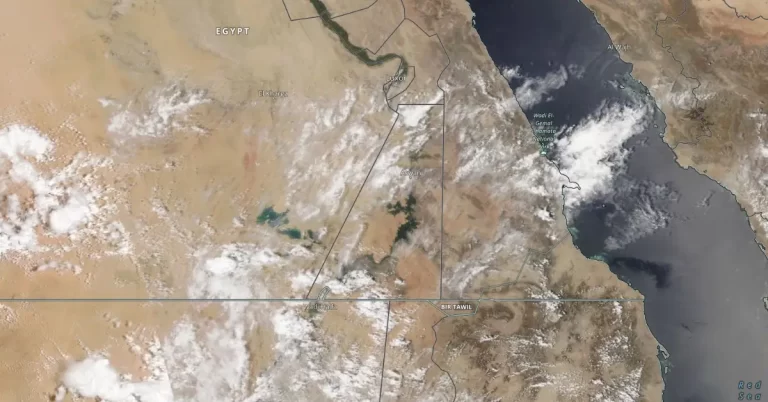
• Heavy rains cause severe flooding in southern Egypt

    Aswan City and other areas in southern Egypt experienced heavy rain and severe flooding, some of it historic, on August 8 and 9, 2024. According to experts, the rains were seasonal and caused by a northward shift in the rain belt.

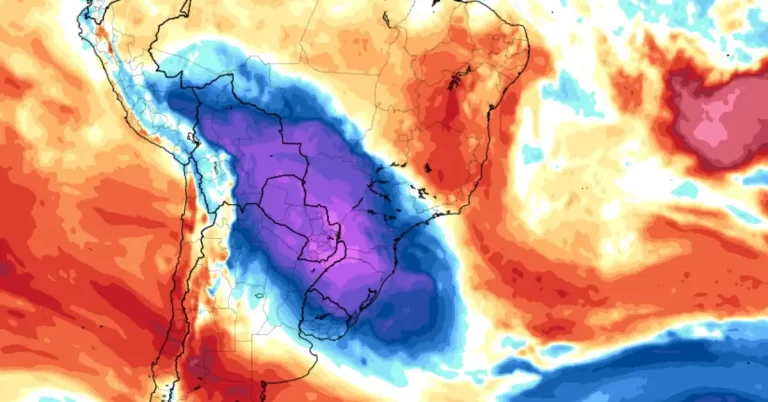
  • Brazil braces for widespread cold snap, frost, and snow expected across multiple regions

    A very cold air mass is forecasted to cause a significant drop in temperatures across multiple regions of Brazil by the end of this week. The South, Southeast, Central-West, and even parts of the North will experience this temperature decrease, with the possibility of frost in several states and potential snowfall or freezing rain in the higher-altitude areas of the South Region.

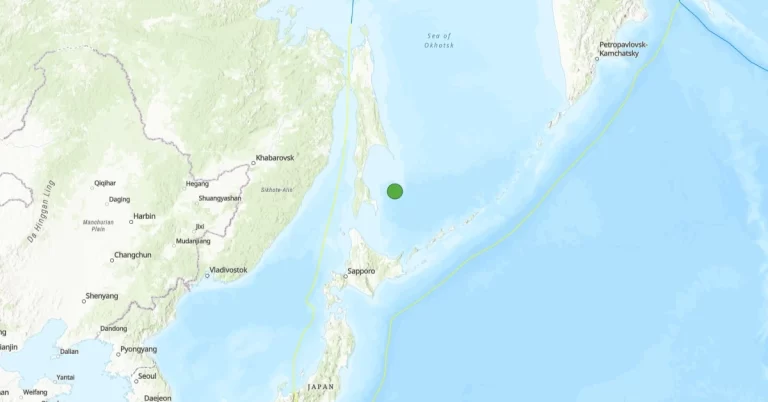
  • Deep M6.5 earthquake hits Sea of Okhotsk, Russia

    A deep earthquake registered by the USGS as M6.5 hit the Sea of Okhotsk, Russia at 03:28 UTC on August 10, 2024. The agency is reporting a depth of 406 km (252 miles). EMSC is reporting M6.5 at a depth of 400 km (248 miles).

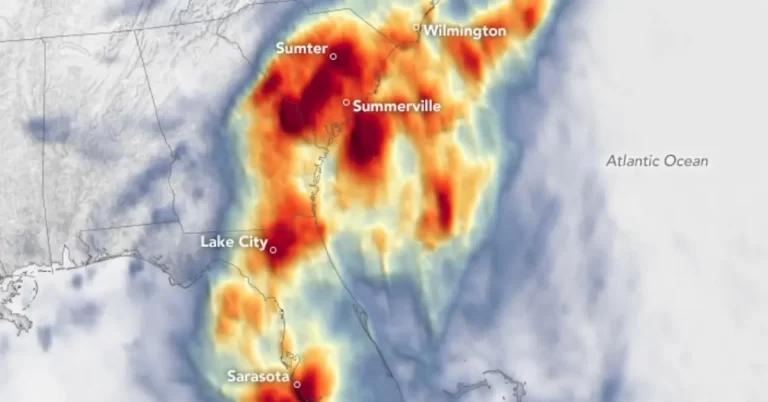
  • Debby leaves 8 dead, heavy rainfall and significant flood threats continue in parts of Mid-Atlantic and Northeast

    Category 1 Hurricane “Debby” made landfall near Steinhatchee in Florida’s Big Bend at 11:00 UTC on Monday, August 5, 2024, and continued moving inland, dropping heavy rains. As Debby moved offshore and then back inland, it continued to gather moisture, leading to a second landfall northeast of Charleston, South Carolina, on August 8.

  • Eruption at White Island, Volcanic Alert Level raised to 3, New Zealand

    A notable eruption took place at White Island volcano, an active stratovolcano in the Bay of Plenty, New Zealand, on August 9, 2024, dispersing minor volcanic ash to the east of the volcano. The Volcanic Alert Level was raised to Level 3, and the Aviation Colour Code was increased to Orange. The activity was most active between 01:00 and 03:00 UTC (13:00 and 15:00 LT).

  • Japan issues first-ever megaquake warning after M7.1 Kyushu earthquake

    The Japan Meteorological Agency (JMA) issued its first megaquake advisory on Thursday, August 8, 2024, several hours after the M7.1 earthquake hit near the coast of Kyushu. The advisory warns that if a major earthquake were to occur in the future, strong shaking and large tsunamis would be generated.