Extreme rainstorm hits China’s Mount Tai
An extreme rainstorm brought 126 mm (4.96 inches) of rainfall within just one hour over Mount Tai in China’s Shangdong Province on Wednesday, August 7, 2024, turning a mountain road into a raging river.

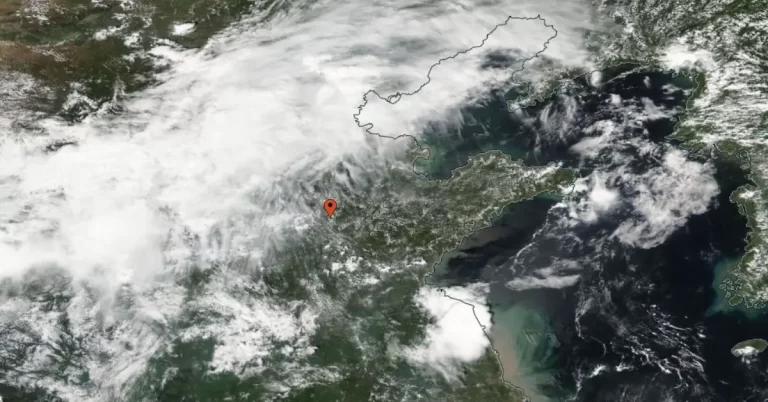
An extreme rainstorm brought 126 mm (4.96 inches) of rainfall within just one hour over Mount Tai in China’s Shangdong Province on Wednesday, August 7, 2024, turning a mountain road into a raging river.

A landslide in Farwell Canyon, British Columbia, Canada on July 30, 2024, caused a large section of earth to collapse, creating a 1 000 m long (3 281 feet) debris mound that obstructed the Chilcotin River. As water pooled behind the blockage, authorities issued urgent flood warnings and evacuation orders.
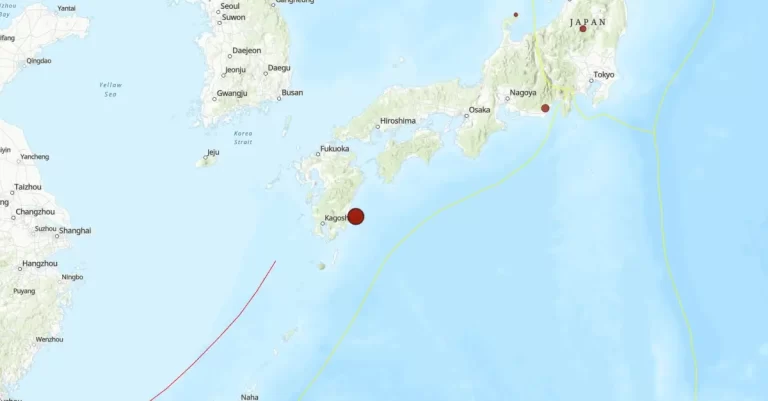
A very strong and shallow earthquake registered by the Japan Meteorological Agency (JMA) as M7.1 hit near the coast of Kyushu, Japan at 07:43 UTC on August 8, 2024. The agency is reporting a depth of 30 km (18.6 miles). USGS is reporting M7.1 at a depth of 25 km (15.5 miles); EMSC M7.1 at a depth of 35 km (21.7 miles).
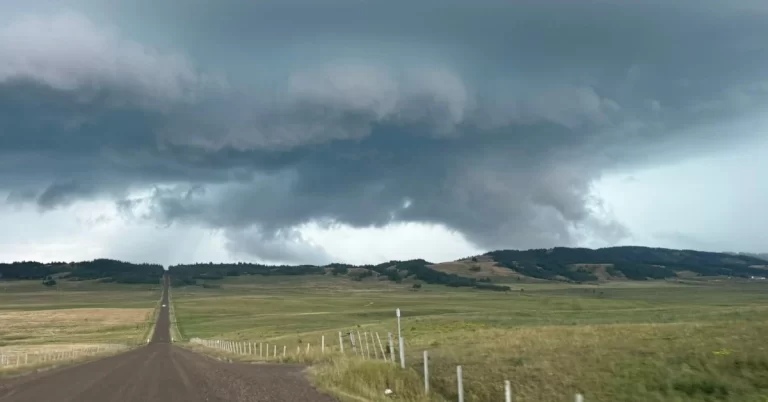
Severe thunderstorms swept through Calgary, Canada on the night of Monday, August 5, 2024, causing extensive damage and closing parts of Calgary International Airport. Hail as large as toonies battered northern areas of the city, leading to dented roofs, shattered windows, and flooded streets.

Severe flooding caused by a glacial lake outburst has led to a state disaster emergency declaration in Alaska on Tuesday, August 6, 2024, with the Mendenhall River cresting at 4.87 meters (15.99 feet) and inundating north Juneau’s neighborhoods.
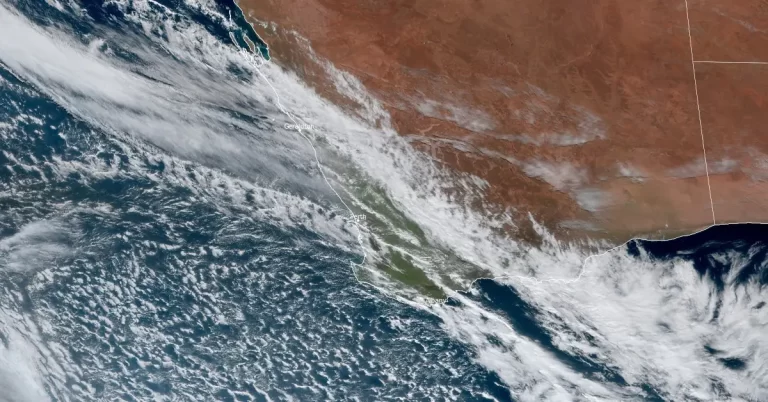
Multiple rain records were broken in several parts of Australia on Wednesday, August 7, 2024. The town of Pearce recorded 45.6 mm (1.80 inches) of rain — the highest in 48 years.

Surface temperatures in parts of Antarctica have surged nearly 30 °C (54 °F) above normal recently, causing what scientists call an Antarctic “heatwave.” This temperature anomaly is described as “a near-record (or record) event for the region” by Edward Blanchard, an atmospheric scientist at the University of Washington.
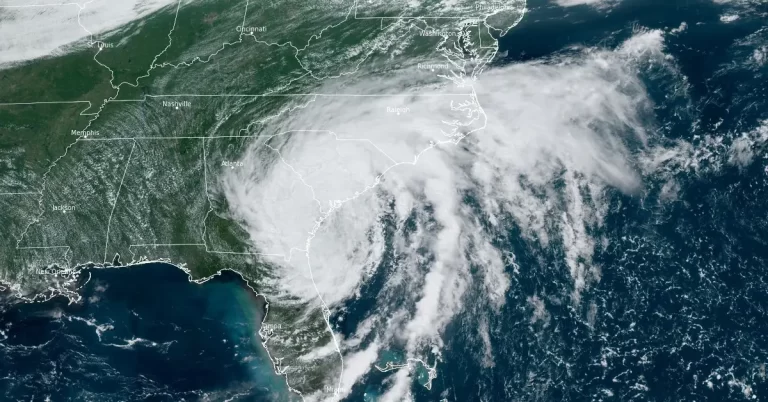
Hurricane “Debby” has claimed at least 5 lives since landfall near Steinhatchee in Florida’s Big Bend on August 5, 2024. 4 deaths have been reported in Florida while one has been reported in Levy County.

A new lava arm has emerged on the western side of Nyamulagira volcano in the Democratic Republic of Congo, extending over 7 km (3.1 miles) north-northwest of the northern crater rim, as revealed by satellite images on August 4, 2024.
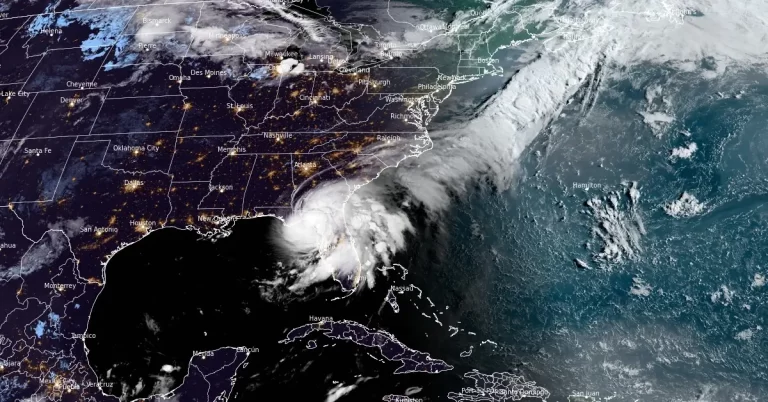
Hurricane “Debby” made landfall near Steinhatchee in Florida’s Big Bend at 11:00 UTC on Monday, August 5, 2024. Debby had minimum central pressure of 979 hPa and maximum sustained winds of 130 km/h (80 mph) at the time of landfall, making it a Category 1 hurricane on the Saffir-Simpson scale. It was moving NNE at 17 km/h (10 mph).
