I'm a dedicated researcher, journalist, and editor at The Watchers. With over 20 years of experience in the media industry, I specialize in hard science news, focusing on extreme weather, seismic and volcanic activity, space weather, and astronomy, including near-Earth objects and planetary defense strategies. You can reach me at teo /at/ watchers.news.

  • Eta Aquarid meteor shower peaks – May 5/6, 2015

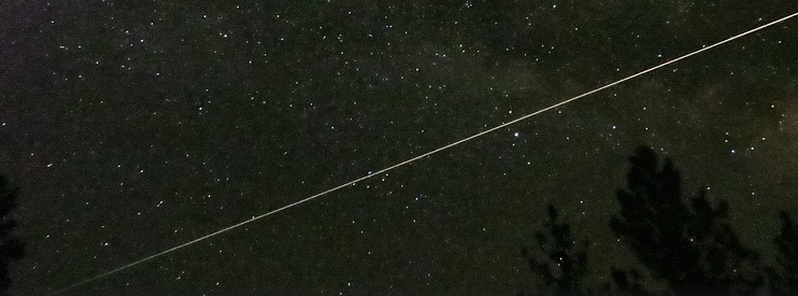
    This year's Eta Aquarids, known for their speed, peak during the early morning hours of May 5 – 6. Traveling at about 66 km/s (148 000 mph) into Earth's atmosphere these meteors are leaving glowing trains (incandescent bits of debris in the wake of the meteor) w
  • Very strong and shallow M7.4 earthquake hits Papua New Guinea

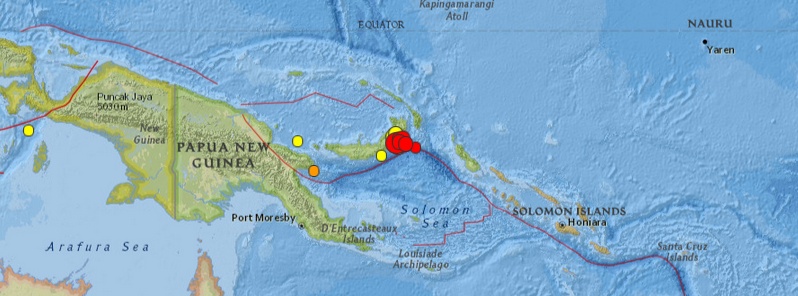
    A very strong earthquake measured by Geoscience Australia as M7.4 at a depth of 35 km (21.7 miles) hit New Britain, Papua New Guinea at 01:44 UTC on May 5, 2015. USGS is reporting this quake as M7.5 at a depth of 42 km (26.1 miles). According to Geoscience Australia, th

  • Tropical Storm “Noul” nears Yap, Western Pacific Ocean

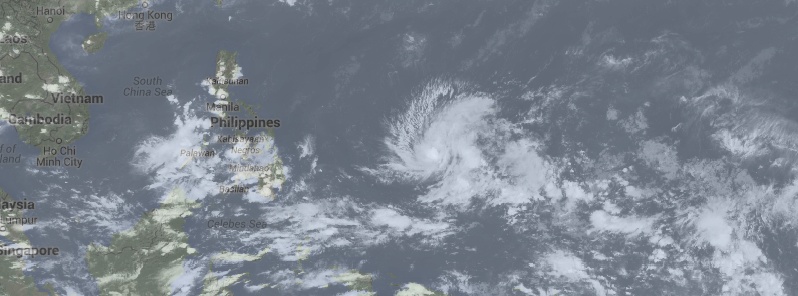
    Tropical Storm "Noul" formed in the Western Pacific Ocean on May 4, 2015 and is heading toward Yap Island, Micronesia. The system is expected to significantly intensify over the coming days.According to JTWC's warning issued 03:00 UTC today, Tropical Storm

  • Shallow M5.8 earthquake hits South Island, New Zealand

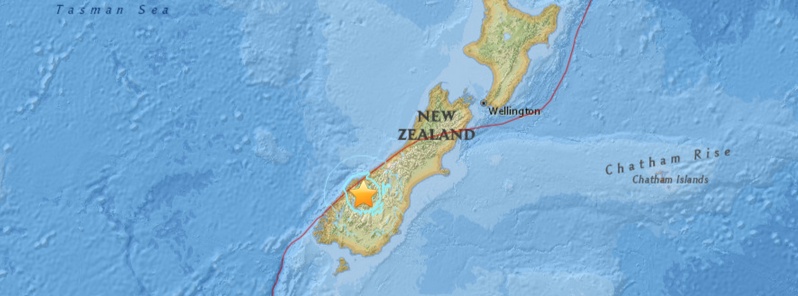
    A shallow earthquake registered by New Zealand's GEONET as M5.8 at a depth of 4 km (2.8 miles) hit South Island, New Zealand at 02:29 UTC on May 4, 2015. USGS is reporting this quake as M5.6 at a depth of 10 km (6.2 miles).Epicenter was located about 30 km (19 miles

  • Bulusan volcano produces steam and ash explosion, Philippines

    Bulusan volcano produced a steam and ash explosion at 00:09 UTC today (08:09 local time) which lasted for 5 minutes based on seismic records,​ Philippine Institute of Volcanology and Seismology (PHIVOLCS) reports. The last eruptive phase of this volcano started on

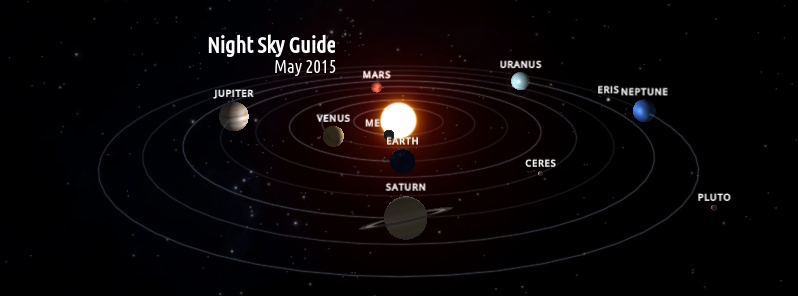
  • Night sky guide for May 2015

    If not for the nearly full moon spoiling the party, southern hemisphere observers would be in for a special treat when above average meteor shower – Eta Aquarids – peaks on the night of May 5 and the morning of May 6. This meteor shower is capable of producing up to 60