I'm a dedicated researcher, journalist, and editor at The Watchers. With over 20 years of experience in the media industry, I specialize in hard science news, focusing on extreme weather, seismic and volcanic activity, space weather, and astronomy, including near-Earth objects and planetary defense strategies. You can reach me at teo /at/ watchers.news.

  • Another M-class solar flare peaked at 20:07 UTC – M3.8

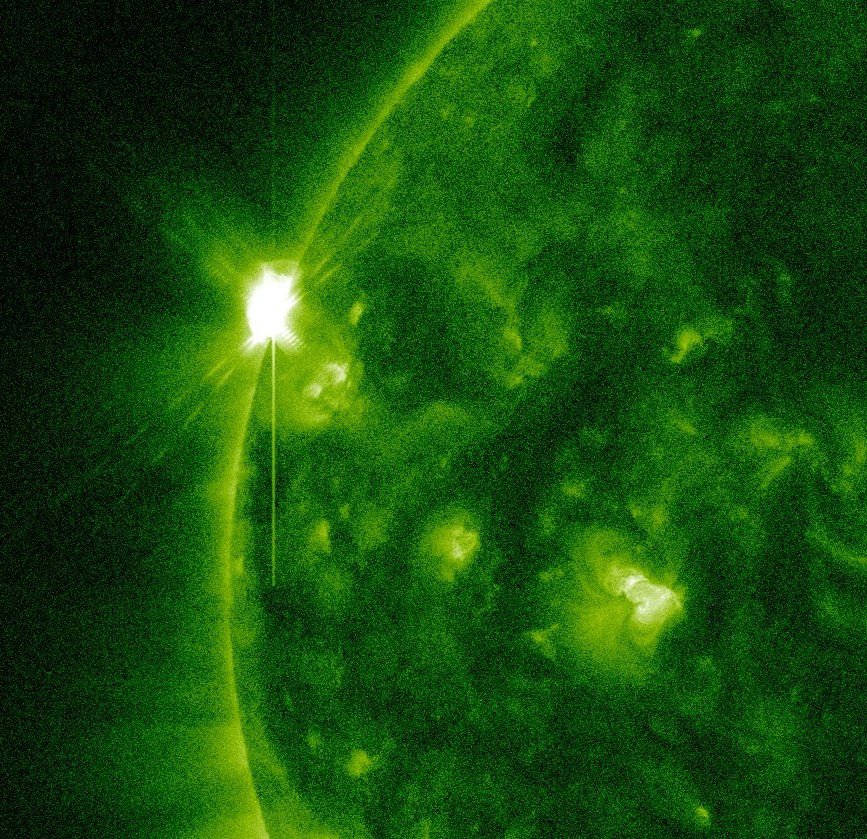
    Sunspot 1515 just produced another M-class solar flare. The event started 19:59, peaked 20:07 at M3.8 and ended at 20:13 UTC, July 2, 2012. This large Sunspot cluster could generate a major solar flare within the next couple of days.This is a second M-class solar

  • Solar flare reaching M5.6 took place at 10:52 UTC

    An M-class solar flare reaching M5.6 peaked at 10:52 UTC on July 2, 2012 from Region 1515. An R2 Moderate radio blackout was reported. This event generated a 10cm Radio Burst (TenFlare) along with a Type II Sweep Frequency Event. This region is in a great location for

  • M2.8 solar flare peaked at 19:18 UTC

    Region 1513 (N16E03) produced an M2.8 solar flare on July 01, 2012 at 19:18 UTC.Region 1513 did not show any significant growth or decay during the period of June 31 – July 1. Region 1515 (S17E17) continued to grow in areal coverage and is now 850 millionths.

  • Meteor plunges into ocean lighting up Perth sky?

    Well, not so likely. Perth beachgoers at Cottesloe sighted fiery streak in the sky at sunset as a suspected meteor plunged into the ocean off the WA coast according to PerthNow. Gavin Trought, one of the readers,  snapped the ‘fire in the sky’ as it appeared over

  • Extremely dangerous M6.6 earthquake hit Xinjiang, China

    Earthquake with recorded magnitude of 6.6 hit northern Xinjiang, China on June 29, 2012 at 21:07 UTC. Epicenter was located 99 km (61 miles) S of Dushanzi, China (43.444°N, 84.725°E).. The Chinese seismological authorities reported a depth of 7 km at a magnitude

  • Point Beach nuclear reactor stopped operating Wednesday night

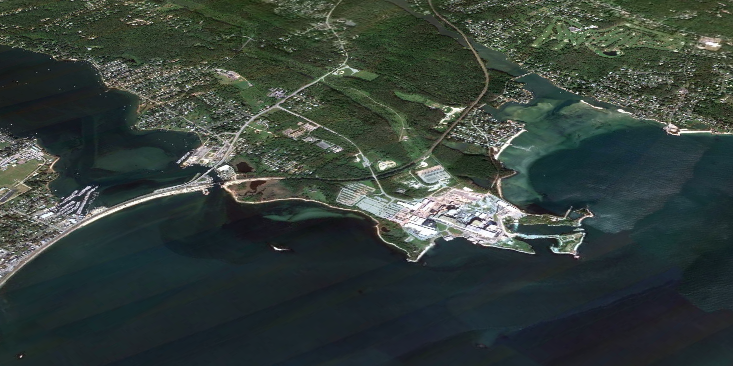
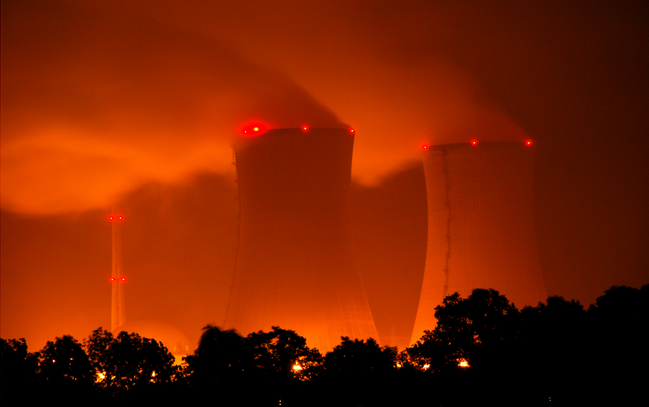
    One of Wisconsin’s three nuclear reactors stopped operating Wednesday night, June 29, after a problem developed with the plant’s turbine.The problem with the Point Beach reactor occurred shortly before 9 p.m., according to a report that NextEra Energy Services filed