• Major eruption at Ruang volcano, ash to 19.2 km (63 000 feet) a.s.l., Indonesia

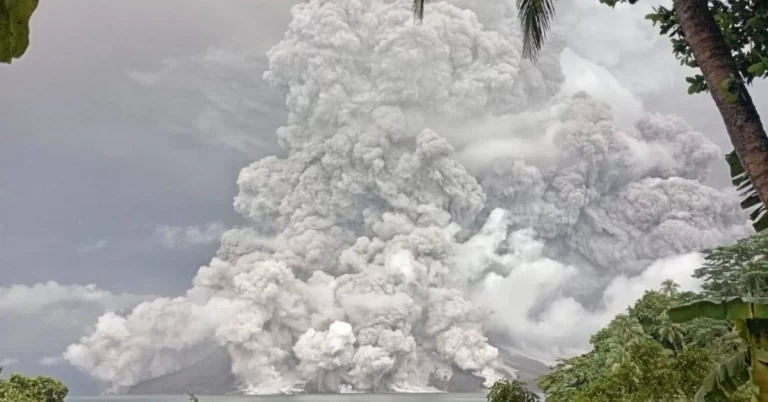
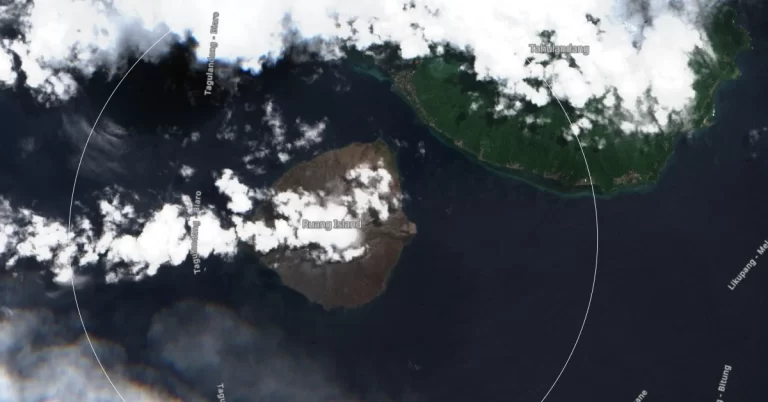
    Another high-level eruption started at Indonesia’s Ruang volcano at 18:15 UTC on April 29, 2024 (01:15 LT, April 30), producing an ash column to an estimated height of about 19.2 km (63 000 feet) above sea level. Authorities raised the Alert Level to 4 and the Aviation Color Code to Red. This powerful eruption comes just 2 weeks after a similar eruption on April 16.

  • Significant ground deformation triggers Yellow alert at Puyehue-Cordón Caulle volcanic complex, Chile

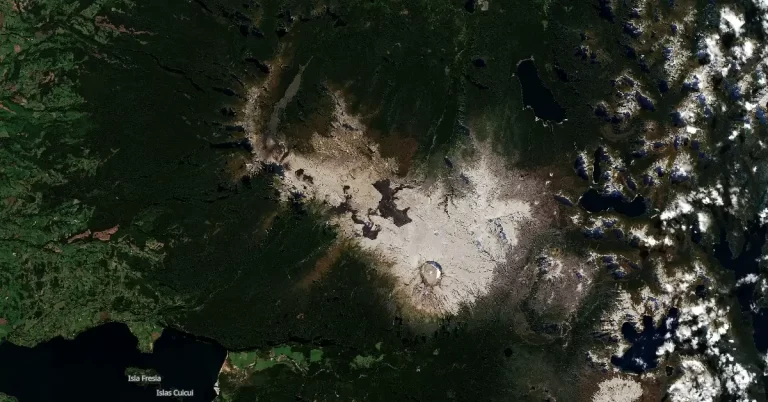
    The Puyehue-Cordón Caulle Volcanic Complex in Chile was placed under a Yellow alert at 20:00 UTC on April 26, 2024. This decision followed observations of increased ground deformation linked to an active inflation zone, located 6 km (3.7 miles) west-northeast of the 2011 eruption site. Monitoring data have shown the highest deformation rates since measurements began, reaching up to 2.4 cm (0.95 inches) per month.

  • Increased seismic activity under Kilauea volcano, Hawaii

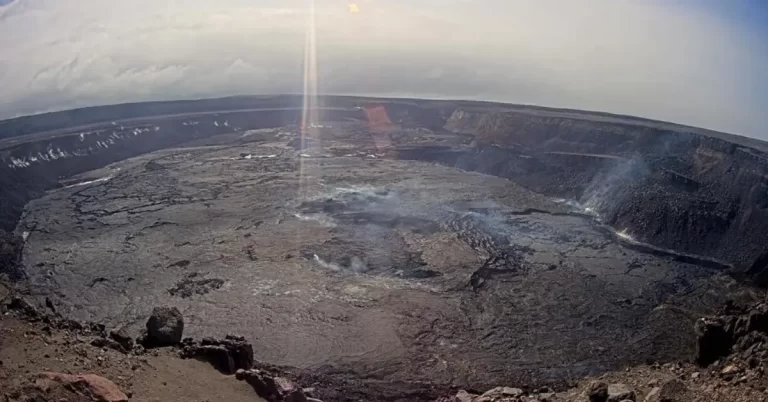
    Over the past three weeks, Kilauea volcano in Hawaii has exhibited increased seismic activity, with fluctuations in shallow and deep earthquakes at the summit. The Hawaiian Volcano Observatory reports sustained low sulfur dioxide emissions and continuous monitoring due to this heightened state of unrest.

  • Continuous lava flow threatens Grindavík barriers, Iceland

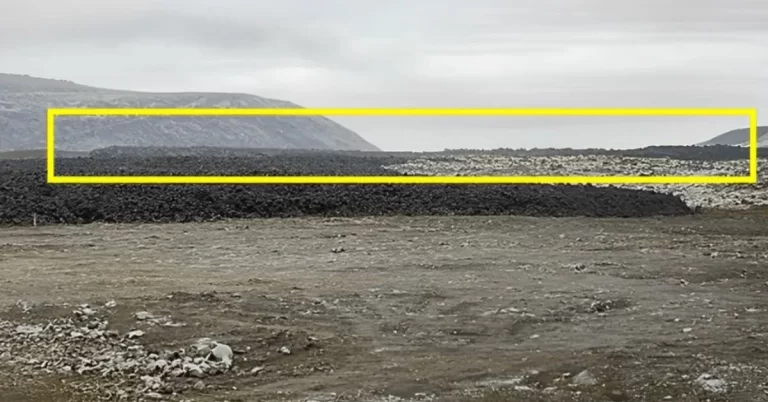
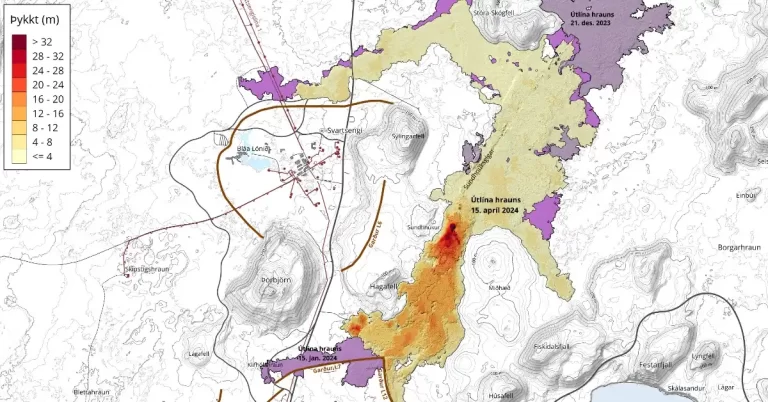
    The ongoing eruption on Iceland’s Reykjanes Peninsula, starting March 16, 2024, continues to pose a threat as lava from the Sundhnúkur crater row thickens near Grindavík. Extrusion rates have remained consistent at 3 – 4 m3/s (106 – 141 ft3/s), with new data anticipated to further assess the situation.

  • Volcanic eruption in Reykjanes Peninsula continues to pose risks, ground uplift continues, Iceland

    The ongoing volcanic eruption on Iceland’s Reykjanes Peninsula, which began at 20:23 UTC on March 16, 2024, continues to impact the area with significant ground uplift and persistent hazards from volcanic gas emissions. The eruption, centered at the Sundhnúkur crater row, shows no signs of abating, with an expanding lava field now covering 6.15 km² (23.5 mi2).