The Weekly Volcanic Activity Report: May 15 – 21, 2024
New activity/unrest was reported for 11 volcanoes from May 15 to 21, 2024. During the same period, ongoing activity was reported for 16 volcanoes.

New activity/unrest was reported for 11 volcanoes from May 15 to 21, 2024. During the same period, ongoing activity was reported for 16 volcanoes.
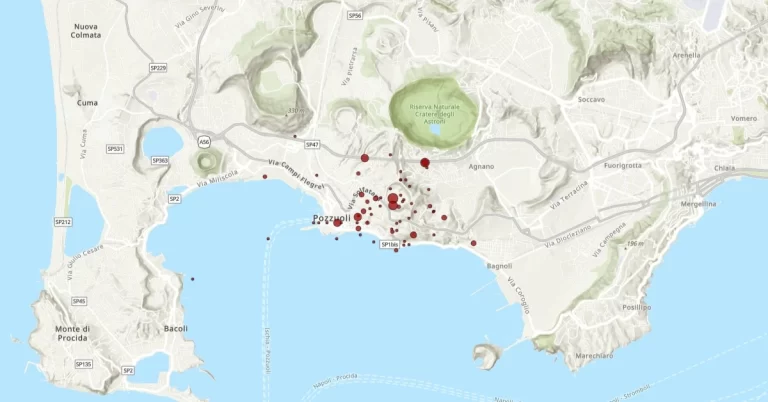
A new seismic swarm started at Campi Flegrei area, Italy at 17:51 UTC on May 20, 2024. Local Earthquake monitoring network has detected around 150 quakes within the next couple of hours, with the strongest being M4.4 — now the strongest quake to hit the caldera region since the beginning of the current bradyseismic crisis in 2005. Preventive evacuations have thus far affected 36 families.
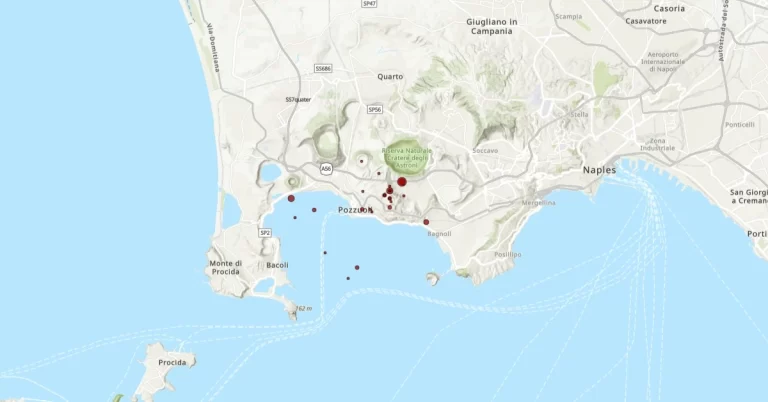
A new earthquake swarm began in the Campi Flegrei area, Italy at 04:06 UTC on May 18, 2024.
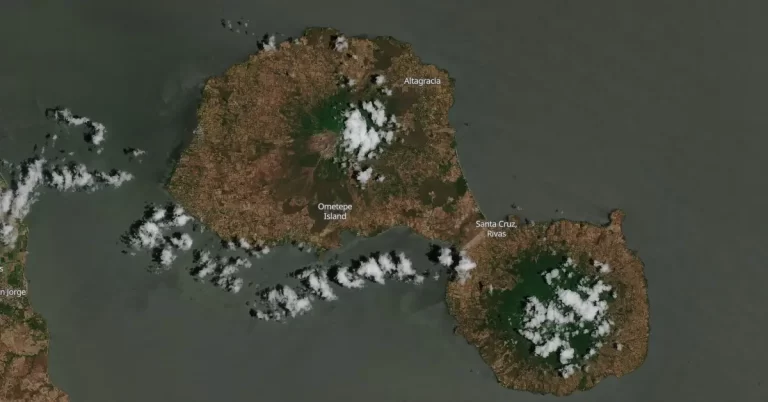
A new eruption took place at Concepción volcano in Nicaragua shortly after 14:00 LT (20:00 UTC) on May 16, 2024, producing a thick column of ash and causing notable ashfall in nearby areas. This is the first eruption at Concepción since March 2011.

The activity level for Indonesia’s Ibu volcano was raised to Level IV — the highest, on May 16, 2024, following a surge in volcanic activity.
New activity/unrest was reported for 8 volcanoes from May 8 to 14, 2024. During the same period, ongoing activity was reported for 11 volcanoes.
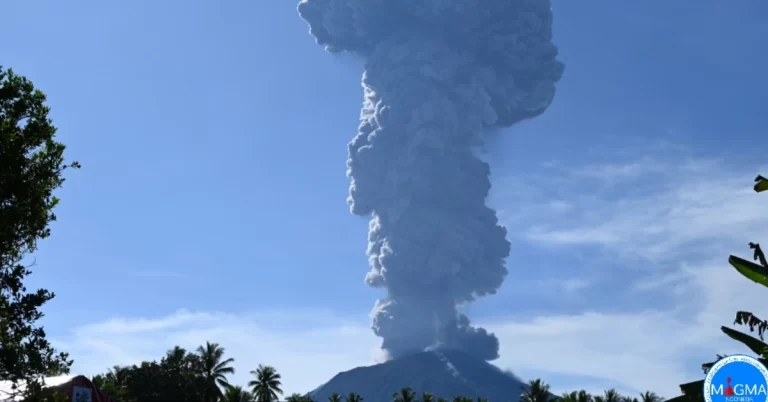
Eruptive activity at Indonesia’s Ibu volcano in North Maluku province intensified over the past couple of days, leading to a strong eruption at around 00:12 UTC on May 13, 2024, with a thick column of ash rising up to 6.4 km (21 000 feet) above sea level.
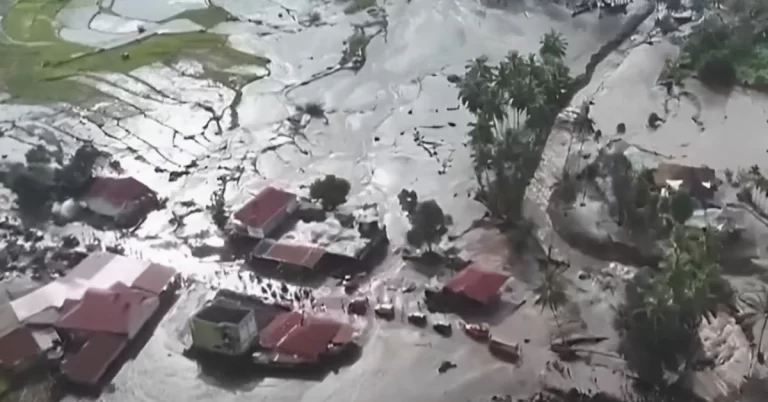
Heavy monsoon rains falling over Indonesia’s Sumatra island on Saturday, May 11, 2024, caused a destructive lahar to descend the slopes of Marapi volcano, killing 37 people and leaving at least 17 others missing.
New activity/unrest was reported for 6 volcanoes from May 1 to 7, 2024. During the same period, ongoing activity was reported for 16 volcanoes.
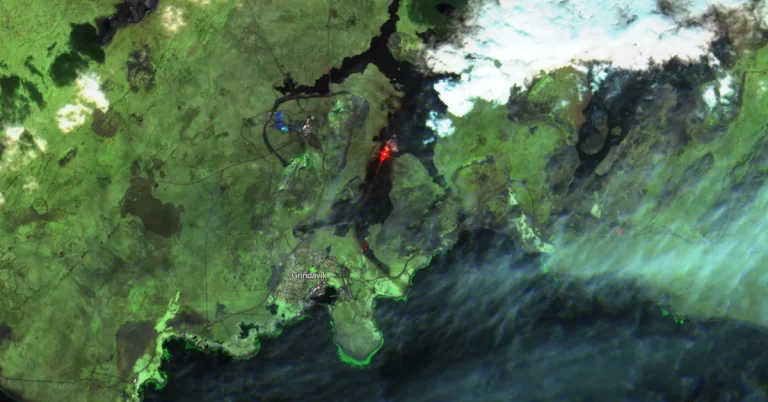
The Icelandic Met Office reports ongoing magma accumulation and land rise in Svartsengi, indicating a heightened risk for intensified volcanic activity or the formation of new fissures in the Reykjanes Peninsula.
