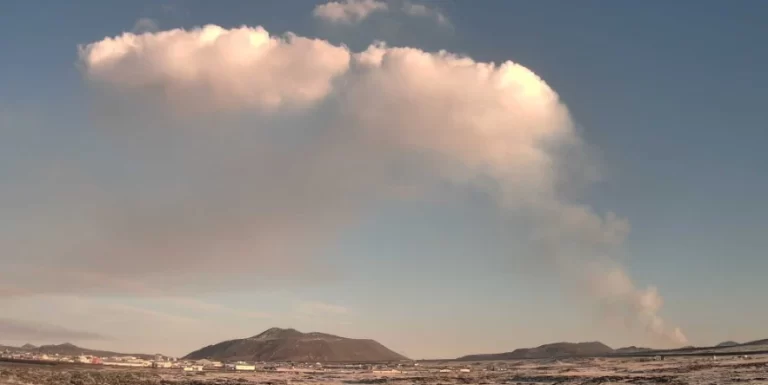
• High levels of sulfur dioxide emissions in Reykjanes Peninsula, Iceland

    The eruption that began in Reykjanes Peninsula on March 16, 2024, continues at stable levels. However, the Icelandic Met Office (IMO) has been detecting very unhealthy levels of sulfur dioxide pollution over the past couple of days. Residents are urged to follow instructions provided by the Environment Agency of Iceland and the Office of the National Medical Examiner.
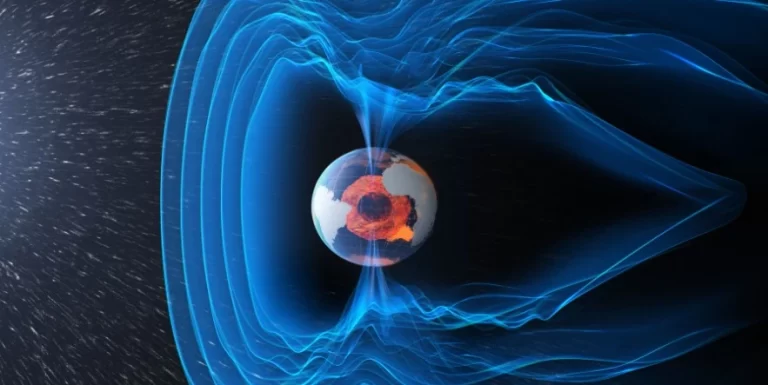
  • Decade of Swarm satellite data unveils new insights into Earth’s magnetic field and core dynamics

    Launched in 2013, the European Space Agency’s (ESA) Swarm mission, consisting of three satellites, has provided a decade of invaluable data on Earth’s magnetic field and core dynamics. This data has enabled significant advances in understanding the mechanisms behind the magnetic field’s slow changes, as detailed in a recent ESA-funded project report.

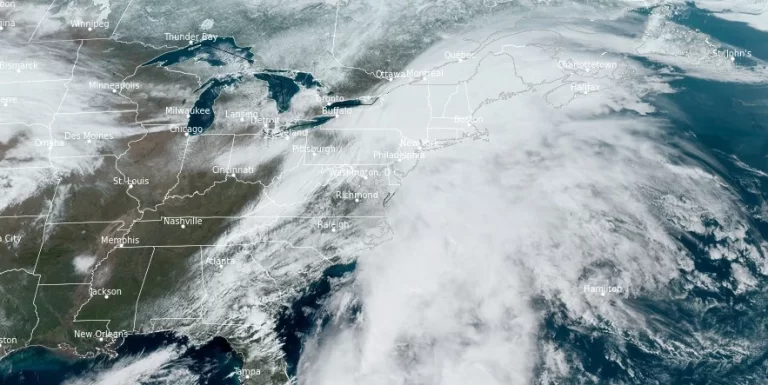
  • Extremely heavy rains hit Rio de Janeiro and Espírito Santo, causing destructive floods and landslides, Brazil

    Heavy rains in Brazil’s Rio de Janeiro state on March 22, 2024, resulted in at least nine fatalities, with Petropolis being the hardest hit. A staggering 270 mm (11 inches) of rain fell within 24 hours, significantly impacting the region and leading to numerous incidents, including landslides and house collapses. The storm then moved to the neighboring state of Espírito Santo, dropping more than 200 mm (7.8 inches) of rainfall within 24 hours.

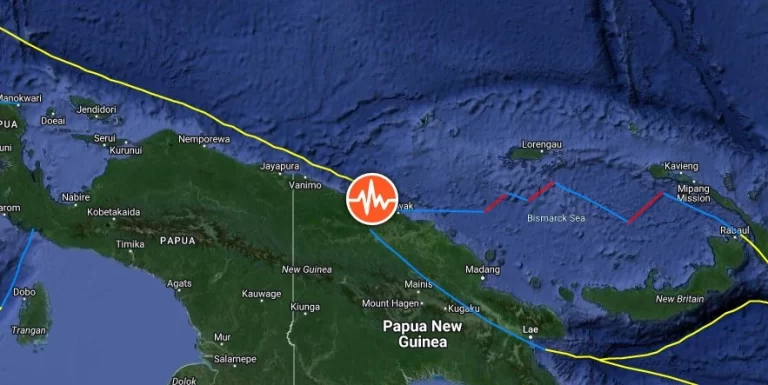
  • Very strong and shallow M6.9 earthquake hits Papua New Guinea

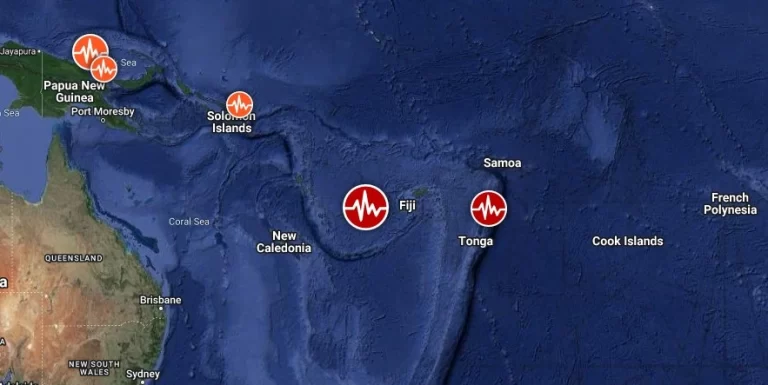
    A very strong earthquake registered by the USGS as M6.9 hit New Guinea, Papua New Guinea at 20:22 UTC on March 23, 2024 (07:22 LT, March 24). The agency is reporting a depth of 35.4 km (21.9 miles). EMSC is reporting M6.8 at a depth of 50 km (31 miles).