The Watchers team and our contributors bring the latest on extreme weather, earthquakes, volcanic eruptions, space weather, and all things science. We're all about making sense of the natural world and keeping you informed on what’s happening. Got a tip or a question? Hit us up using the form at newstips!

  • Shields Up! Students devise concept for Star Wars-style deflector shields

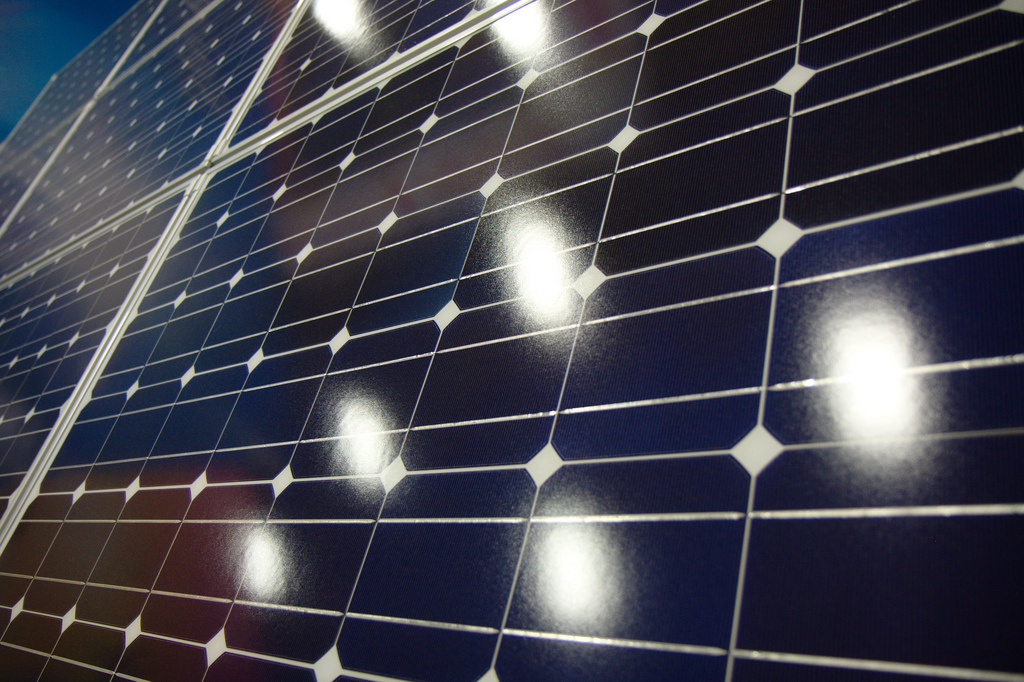
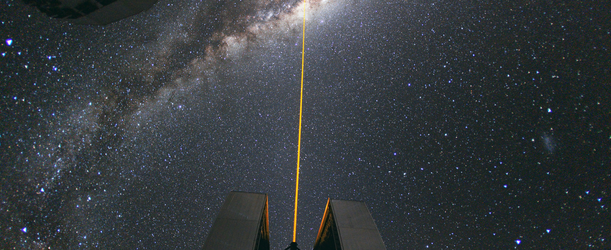
    Technology for protecting spaceships from laser fire is feasible today, University of Leicester students discovered. The only drawback, so far, is that you won’t be able to see a thing outside.In anticipation of Star Wars Day on 4 May, three fourth-year Physics st


  • Atomic level look at the telomerase – connection with aging and cancer

    Arizona Sate University scientists, together with collaborators from the Chinese Academy of Sciences in Shanghai, have published yesterday, in Nature Structural and Molecular Biology, a first of its kind atomic level look at the enzyme telomerase that may unlock the sec

  • Things That Were,Things That Are, And Things That Must Soon Come To Pass

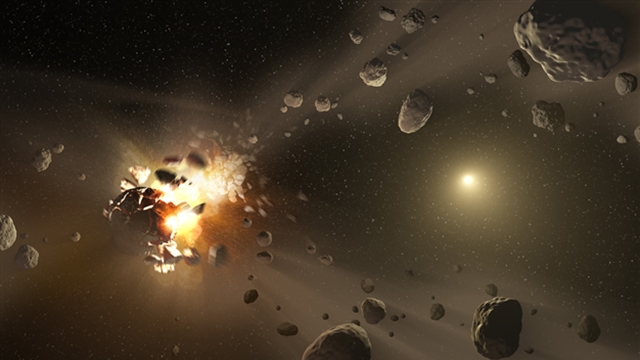
    "A star is gone! A star is gone! There is a blank in Heaven … " So said the 19th century poet George Darley in his poem "The Fallen Star". Was this merely poetic imagery and metaphor, or could it have been based on some historic fact?I realize that

  • Open Source Seed Initiative aims to keep seeds free from patents

    In a public ceremony on April 16, a coalition of farmers, scientists and sustainable food advocates launched the Open Source Seed Pledge, a parallel licensing system designed to keep seeds in the hands of the public and prevent them from being patented by private intere

  • Dr. A.P. David: On The Laws Of Nature – EU2014

    AP David's talk considered the sources of the modern idea of 'Laws of Nature,' or as they are more usually known nowadays, 'physical laws.' He began by articulating the difference between descriptive and prescriptive laws: nature as directly observed

  • Ganymede may harbor ice and oceans stacked up in several layers

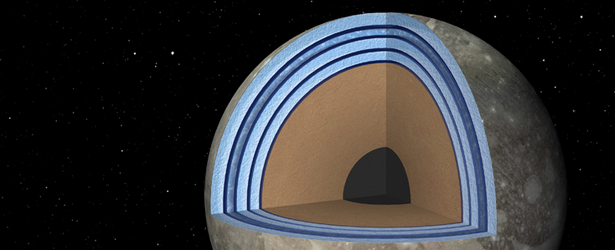
    The largest moon in our solar system, a companion to Jupiter named Ganymede, might have ice and oceans stacked up in several layers like a club sandwich, according to new study led by JPL's Steve Vance that models the moon's makeup.Previously, the moon

  • First image of an asteroid taken from the surface of Mars

    The Mast Camera (Mastcam) on NASA's Curiosity Mars rover has captured the first image of an asteroid taken from the surface of Mars. The night-sky image actually includes two asteroids: Ceres and Vesta, plus one of Mars' two moons, Deimos, which may have been an