I'm a dedicated researcher, journalist, and editor at The Watchers. With over 20 years of experience in the media industry, I specialize in hard science news, focusing on extreme weather, seismic and volcanic activity, space weather, and astronomy, including near-Earth objects and planetary defense strategies. You can reach me at teo /at/ watchers.news.

  • Lava overflows Stromboli’s crater terrace, Italy

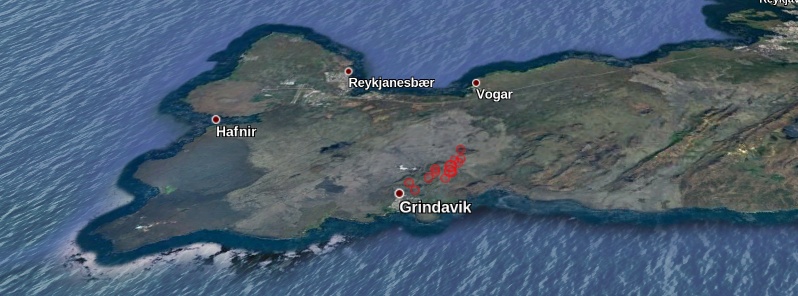
    Lava is overflowing the northern portion of Stromboli's crater terrace, INGV Osservatorio Etneo reported at 10:13 UTC on February 3, 2020. Lava overflow, currently small and confined to the summit area, started at about 07:20 UTC today. "The lava flow front…

  • Fireball over Mount Sannine, Lebanon

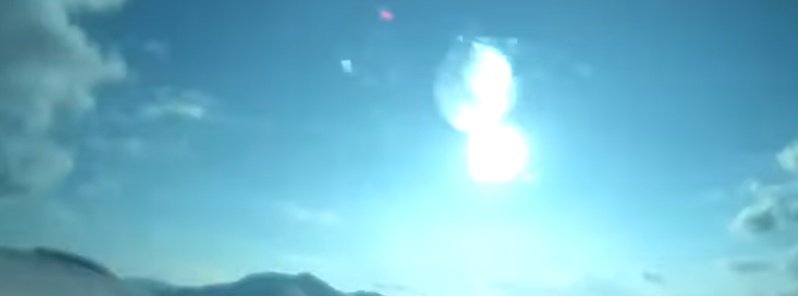
    A large green fireball was recorded over Lebanon at 20:15 UTC (22:15 LT) on January 21, 2020. It was reportedly captured by Nizar Nurr near the peak of Mount Sannine. According to KameraOne, it's one of the brightest meteors ever captured over Lebanon. Featured…

  • Bright fireball over the Urals, Russia

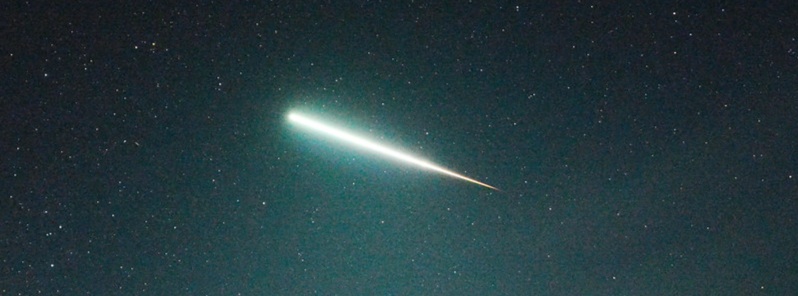
    A very bright meteor streaked through the night sky over the Urals, Russia at 22:13 UTC on January 29, 2020 (03:13 LT, January 30). Photographer Ilya Jankowsky captured it from the town of Irbit, Sverdlovsk Oblast. According to RT, the object was also seen from…

  • Asteroid 2020 BT14 to flyby Earth at 0.49 LD on February 3

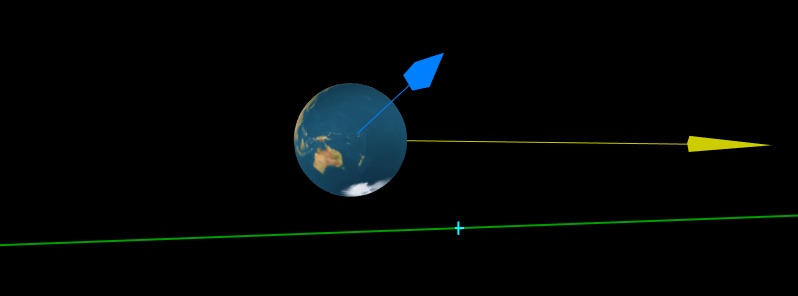
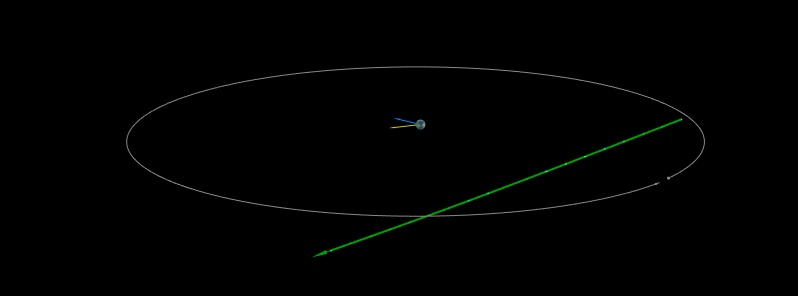
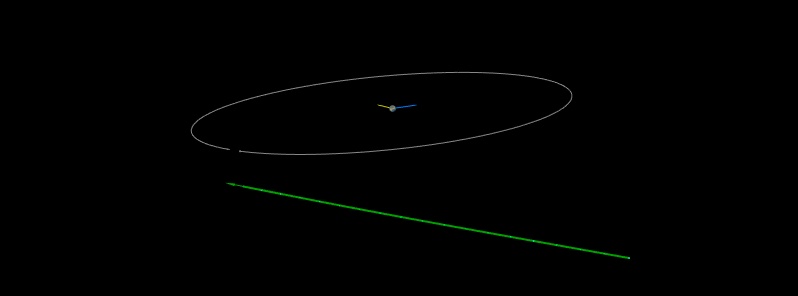
    A newly-discovered asteroid designated 2020 BT14 will flyby Earth at 08:19 UTC on February 3, 2020, at a distance of 0.49 LD / 0.00126 AU (188 493 km / 117 124 miles). This is the second known asteroid to flyby Earth within 1 lunar distance this month, making a…

  • Asteroid 2020 CA to flyby Earth at 0.57 LD on February 2

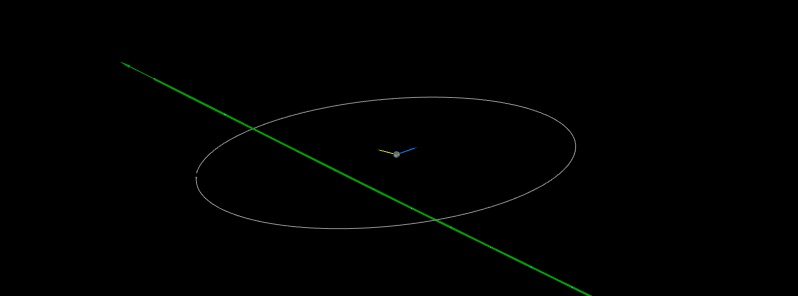
    A newly-discovered Aten-class asteroid designated 2020 CA will flyby Earth at 15:49 UTC on February 2, 2020, at a distance of 0.57 LD / 0.00147 AU (219 908 km / 136 645 miles). With 3 other new <1LD approaches since our last update, this is the 9th known asteroid…

  • Night Sky Guide for February 2020

    February 1 – IC2395 well placed for observation. Across much of the world, the open star cluster IC2395 in Vela will be well placed for observation. It will reach its highest point in the sky at around midnight local time. At a declination of -48°09', it is…