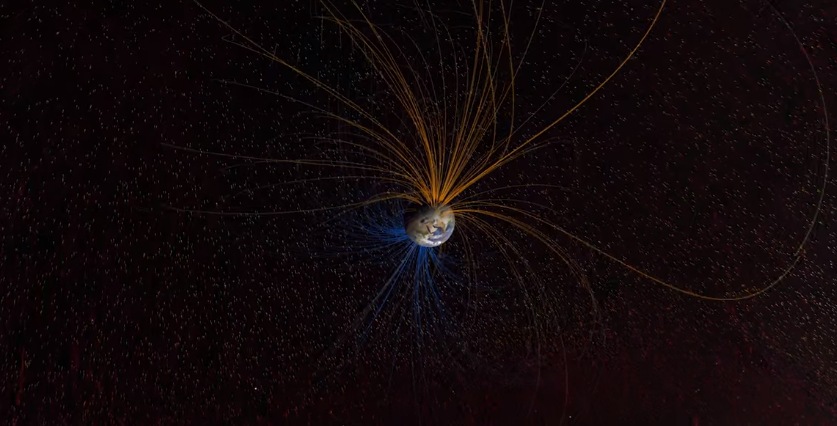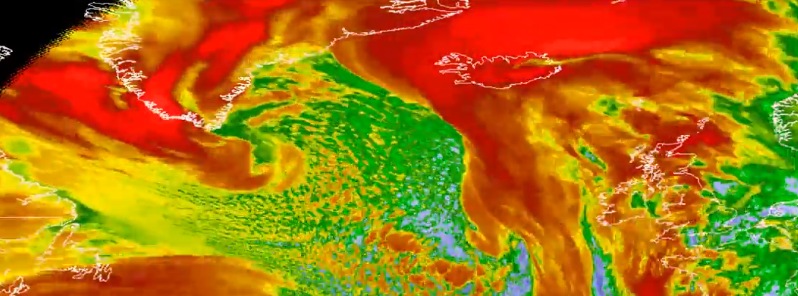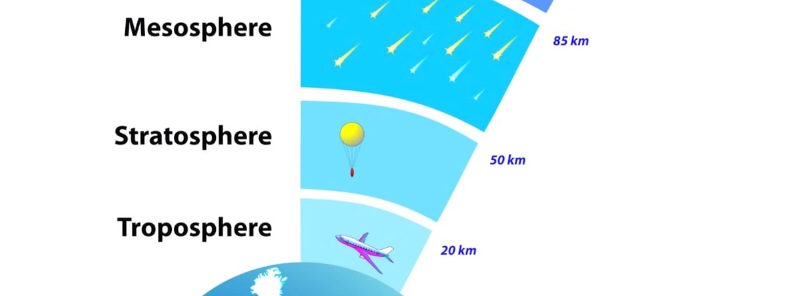
• The case of the missing electrons

    A new scientific study has proposed a new hypothesis for a long-standing mystery in atmospheric science. For many years, scientists have wondered why the concentration of electrons in Earth’s atmosphere suddenly drops in a region dozens of miles above the…
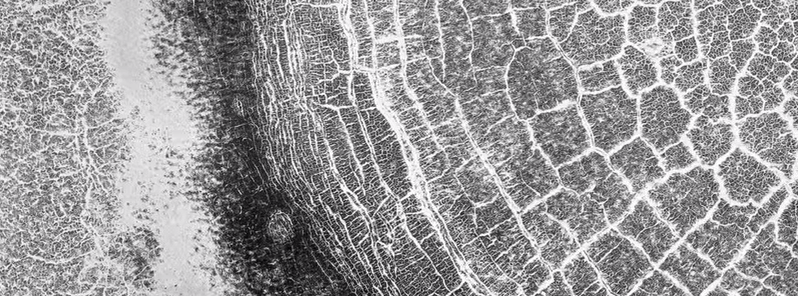
  • Polygonal patterns on Mars

    The HiRISE Camera aboard NASA’s Mars Reconnaissance Orbiter has captured an intriguing image of polygonal patterns within a crater at the Martian north pole. A Space.com report states of these features: “The entire crater is around 5 km (3 miles) across…

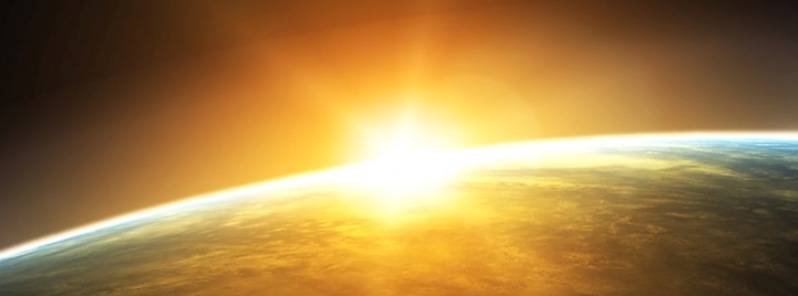
  • High Definition Earth Viewing – Earth from the ISS

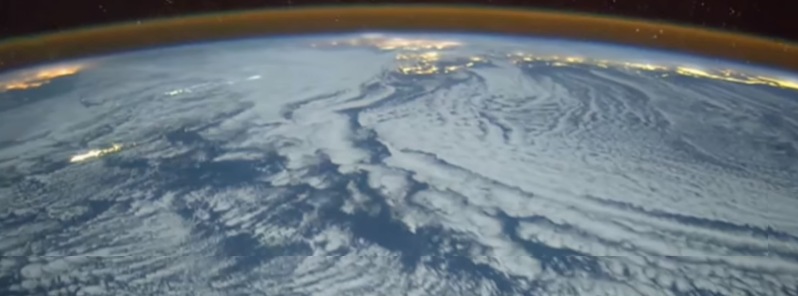
    The Earth, our greatest treasure the blue pearl of the universe seen from heavens. These beautiful time lapse videos are taken from the International Space Station. The High Definition Earth Viewing (HDEV) experiment aboard the ISS was activated April 30, 2014. It…

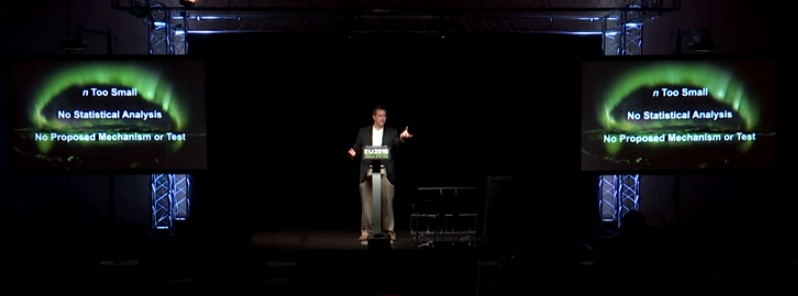
  • Ben Davidson: Does the Sun trigger large earthquakes?

    Using more than 35 years of data from the Wilcox Solar Observatory at Stanford University and from the United States Geological Survey, a model was constructed using patterns discerned in the polar magnetic fields of the sun. These patterns in solar magnetism were…

  • Piers Corbyn: Electrical weather

    Among the top space news stories of 2015, we have seen dramatic affirmations of the electromagnetic connection between the Earth and the Sun. With each new discovery, the Sun’s profound influence on Earth’s climate and weather becomes more self-evident….

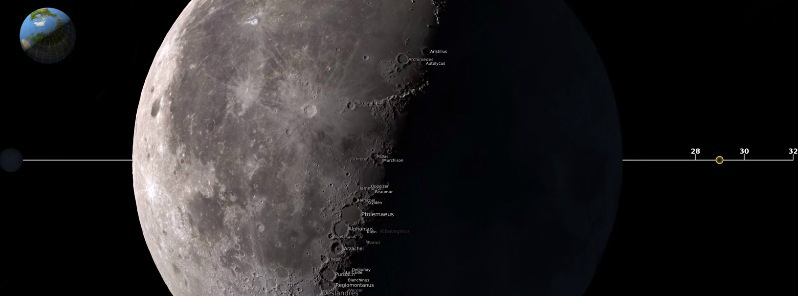
  • Moon’s phases and libration at hourly intervals throughout 2016

    These visualizations show the Moon's phases and libration at hourly intervals throughout 2016, as viewed from both northern and southern hemispheres. Each frame represents one hour. In addition, the visualizations show the Moon's orbit position, sub-Earth…

  • Our violent universe

    Our universe is more than a serene landscape of stars – it is teeming with activity from some extremely violent events. In a presentation at the IMAX theatre at the Smithsonian National Air and Space Museum in Washington, D.C. on September 30, scientists take us…

  • Synthesis: NASA data visualizations in Ultra-HD

    Our senses tell us about the natural world, but our senses cannot tell us everything. That’s why we use tools, and NASA develops some of the most sophisticated, most exciting tools of all. Designed to reveal aspects of the Earth, the Sun, The Moon, these tools…