The Watchers team and our contributors bring the latest on extreme weather, earthquakes, volcanic eruptions, space weather, and all things science. We're all about making sense of the natural world and keeping you informed on what’s happening. Got a tip or a question? Hit us up using the form at newstips!

  • Huge earth crack opened up in Sonora, Mexico

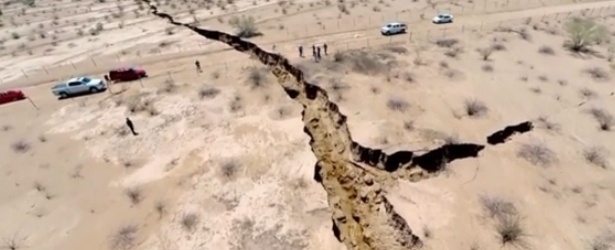
    A one-kilometer long earth crack opened up on August 15, 2014, in Sonora, Mexico. The crack severed Highway 26 between the city of Hermosillo and the coast. At some points it is 5 meters wide and 8 meters deep.According to El Imparcial newspaper, it is still
  • Sunlight key to CO2 in Arctic, not microbes

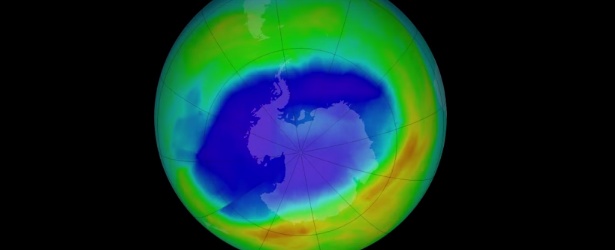
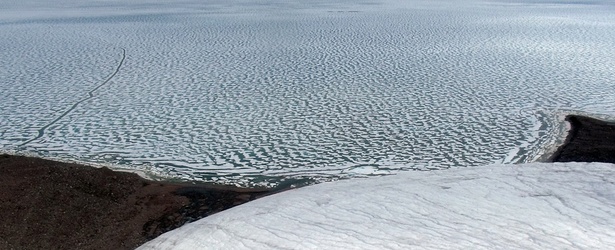
    A new study by scientists from Oregon State University, published this week in journal Science, concludes that sunlight and not bacteria is the key to triggering the production of CO2 from material released by Arctic soils. The finding is particularly importan

  • A shocking study – regional climate influenced by the Sun

    A new study from Lund University in Sweden has, for the first time, reconstructed solar activity during the last ice age and showed that the regional climate is influenced by the Sun.For the first time, a research team has been able to reconstruct the solar activit

  • Zooming in on star formation regions in the southern Milky Way

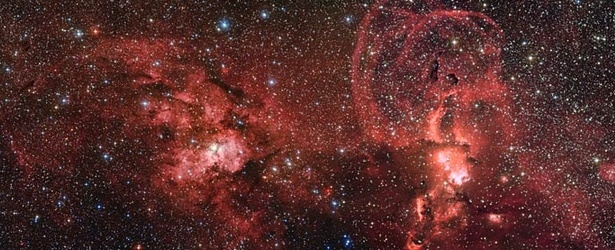
    The latest image released by ESO shows two dramatic star formation regions in the southern Milky Way. The first is of these, on the left, is dominated by the star cluster NGC 3603, located 20 000 light-years away, in the Carina–Sagittarius spiral arm of the…

  • Rosetta mission findings: no room for dirty snowballs

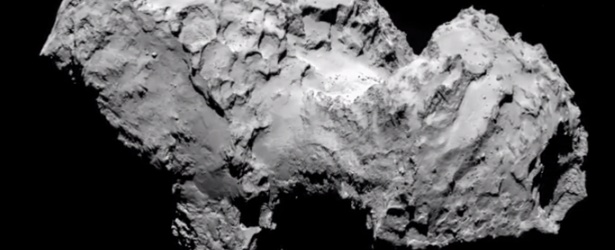
    The European Space Agency's Rosetta mission to the Comet 67P is attracting worldwide attention to comet science. While months remain until the team attempts to land a probe on the comet's surface, astonishing revelations are already confronting scientists on Ear

  • Insight into one of the closest supernovas discovered in decades

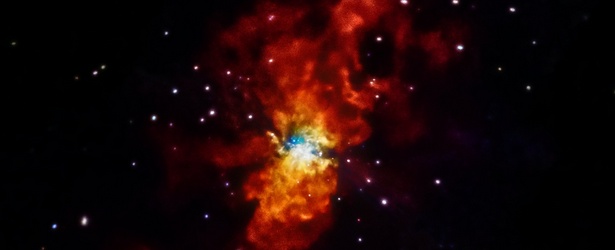
    On January 21, 2014, astronomers around the world witnessed a supernova soon after it exploded in the Messier 82, or M82, galaxy. It is one of the closest supernovas discovered in decades. Telescopes across the globe and in space turned their at