Effusive eruption continues at Fernandina volcano, Galapagos
The effusive eruption that started two days ago at Fernandina volcano in Ecuador continues on March 5, 2024, with several lava flows on the SSE slope of the volcano.


I'm a dedicated researcher, journalist, and editor at The Watchers. With over 20 years of experience in the media industry, I specialize in hard science news, focusing on extreme weather, seismic and volcanic activity, space weather, and astronomy, including near-Earth objects and planetary defense strategies. You can reach me at teo /at/ watchers.news.
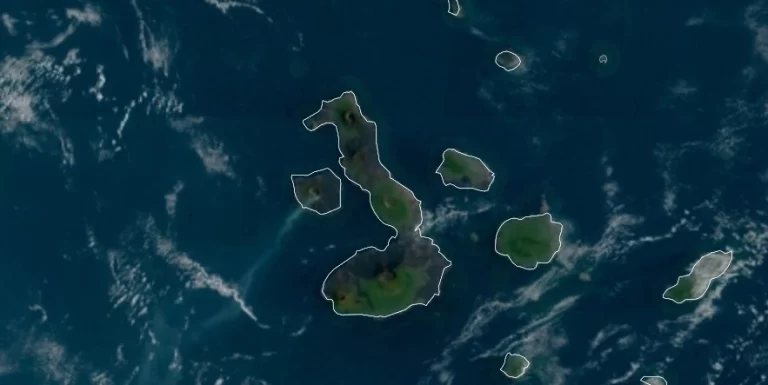
The effusive eruption that started two days ago at Fernandina volcano in Ecuador continues on March 5, 2024, with several lava flows on the SSE slope of the volcano.

More than 6 000 people were isolated on March 3, 2024, following a large avalanche in the Aosta Valley, which struck a tunnel in the municipality of Gaby, province of Aosta, Italy.
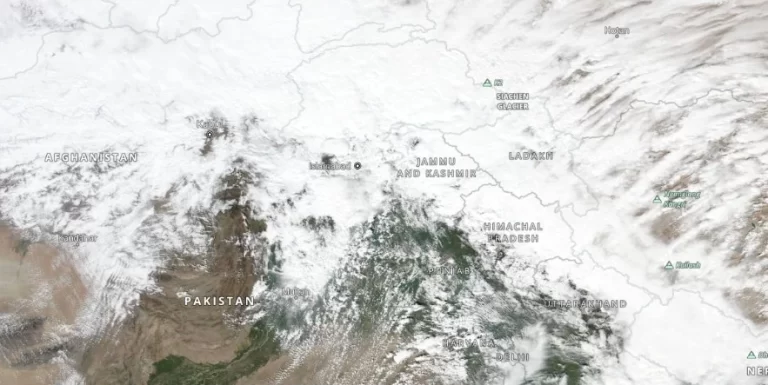
Heavy rains and snow have wreaked havoc across Pakistan over the past 4 days, leaving at least 36 people dead and 50 others injured, according to authorities. The affected areas include the scenic Swat Valley, the Khyber district, and other parts of the Khyber Pakhtunkhwa province bordering Afghanistan. The heavy rainfall and snowfall have caused houses to collapse, triggered landslides, and blocked roads, particularly in the country’s northwest.
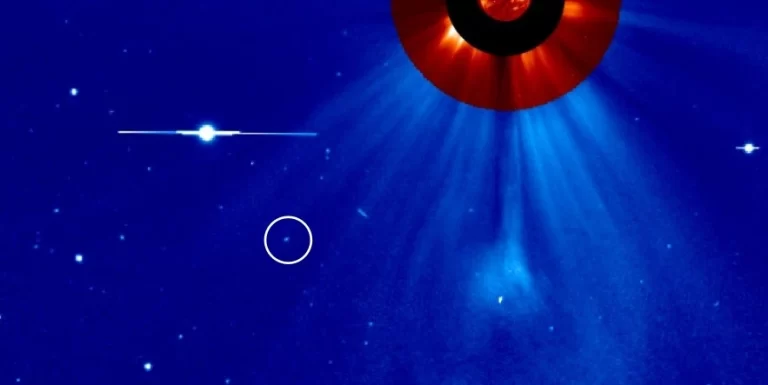
A new sun-diving comet appeared in LASCO C3 coronagraph imagery at around 11:54 UTC on March 2, 2024, and continued moving toward the Sun until it disintegrated by 05:42 UTC on March 3.

A coronal mass ejection (CME) produced by C5.1 solar flare on February 28, 2024, impacted Earth at approximately 08:45 UTC on March 3, producing G2 – Moderate geomagnetic storming.
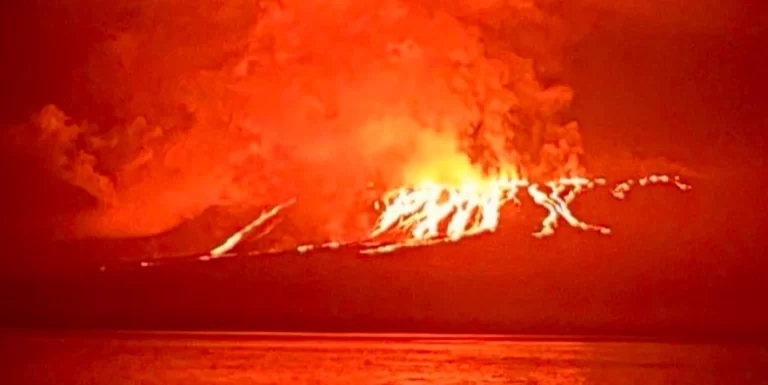
A new eruption started at Ecuador’s Fernandina volcano in the Galapagos archipelago at 04:50 UTC on Sunday, March 3, 2024. IGEPN volcanologists said deformation data suggests this eruption will be larger than those observed in 2017, 2018 and 2020.
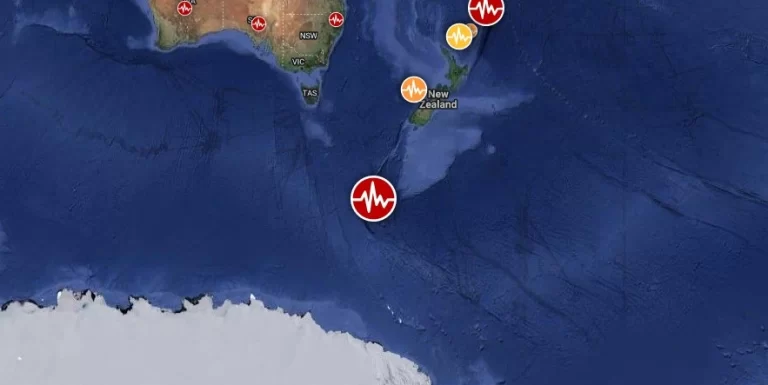
A strong and shallow earthquake registered by the USGS as M6.7 hit the Macquarie Island region, about halfway between New Zealand and Australia, at 16:16 UTC on March 3, 2024. The agency is reporting a depth of 10 km (6.2 miles). EMSC is reporting the same magnitude and depth.

A newly-discovered asteroid designated 2024 EF will fly past Earth at a distance of just 0.15 LD / 0.00039 AU (57 668 km / 35 833 miles) from the center of our planet at 07:02 UTC on March 4, 2024.
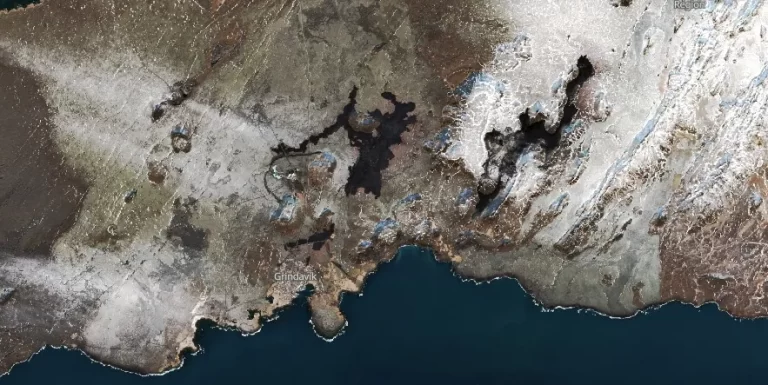
Iceland evacuated its world-famous Blue Lagoon and the nearby town of Grindavík in Reykjanes Peninsula on Saturday, March 2, 2024, due to an intense seismic swarm indicating a new fissure eruption could start any moment.

A significant winter storm continues to impact much of the West on Sunday, March 3, 2024, with heavy mountain snow and widespread damaging winds, including dangerous, blizzard conditions in the Sierra Nevada.
