Large asymmetric partial halo CME just beyond the east limb of the Sun
A large asymmetric partial halo CME was observed just beyond the east limb of the Sun at approximately 06:36 UTC on January 3, 2023.


I'm a dedicated researcher, journalist, and editor at The Watchers. With over 20 years of experience in the media industry, I specialize in hard science news, focusing on extreme weather, seismic and volcanic activity, space weather, and astronomy, including near-Earth objects and planetary defense strategies. You can reach me at teo /at/ watchers.news.
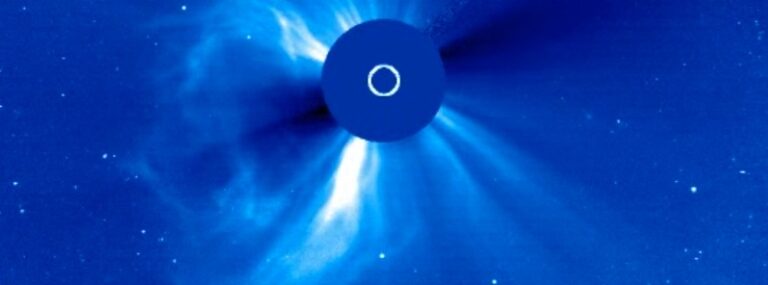
A large asymmetric partial halo CME was observed just beyond the east limb of the Sun at approximately 06:36 UTC on January 3, 2023.
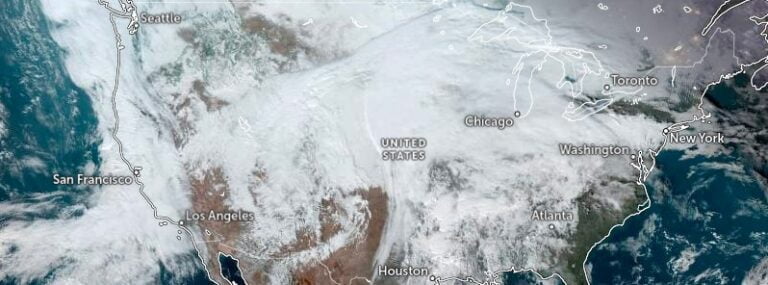
A multi-hazard storm will bring a swath of heavy snow, sleet, and ice in the north and central Plains and Upper Midwest during the next couple of days, the National Weather Service (NWS) warns. Across the Arklatex region and into the Mid-South, severe storms with all hazards and heavy to excessive rain can be expected, with the primary severe threats of tornadoes, some strong, and damaging winds.
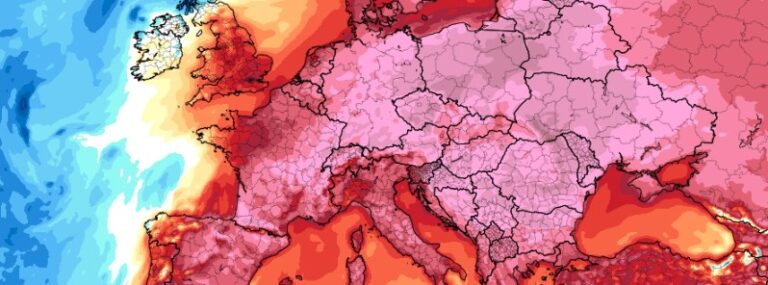
Weather gods have been very kind to Europe so far this winter. Instead of normally very cold December and January, the weather turned to be unusually warm, breaking thousands of temperature records across much of the continent.
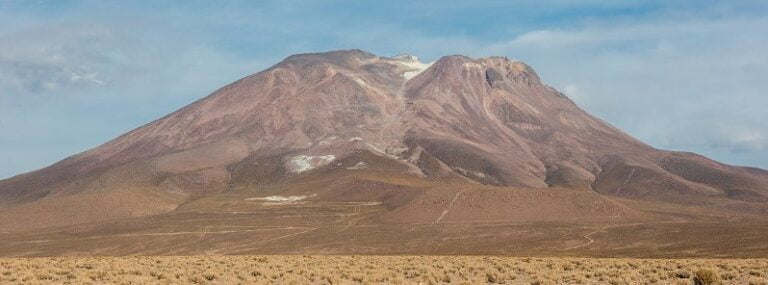
Monitoring stations installed in the vicinity of the massive Ollagüe stratovolcano in the Andes, on the border between Bolivia and Chile, detected increased seismicity under the volcano on January 2, 2023.
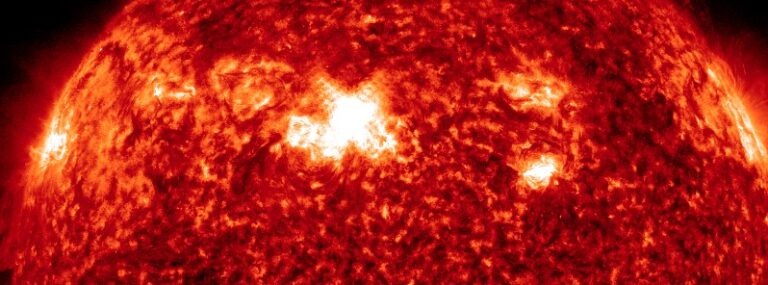
Geomagnetic storms reaching G1 – Minor levels are likely on January 4 and 5, 2023 due to combined effects of a coronal mass ejection (CME) that left the Sun on December 30 and coronal hole high speed stream (CH HSS) effects. Solar activity is expected to be at low levels, with a chance for M-class flares through January 28.

A powerful atmospheric river brought heavy rains to northern and central California on December 31, 2022, bringing widespread flooding and power outages. At least 2 people lost their lives.
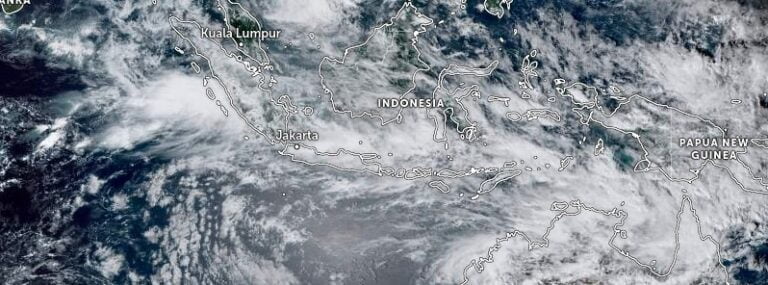
Indonesia’s Meteorology, Climatology and Geophysics Agency (BMKG) predicts that parts of Indonesia have the potential to receive rain with varying intensities from light to heavy in several areas on December 31 and January 1, 2023.
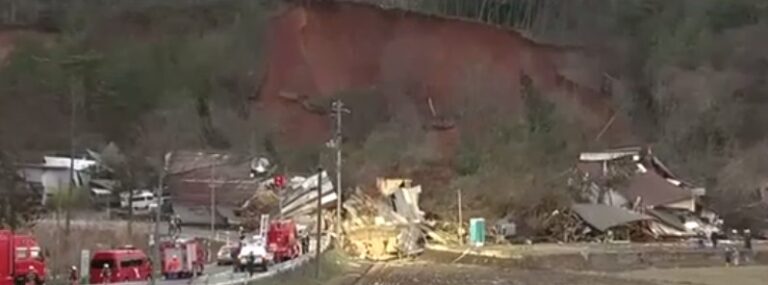
A damaging landslide destroyed about a dozen homes in northern Japan’s Yamagata Prefecture on December 31, 2022, leaving at least 2 people missing.
New activity/unrest was reported for 2 volcanoes from December 21 to 27, 2022. During the same period, ongoing activity was reported for 16 volcanoes.
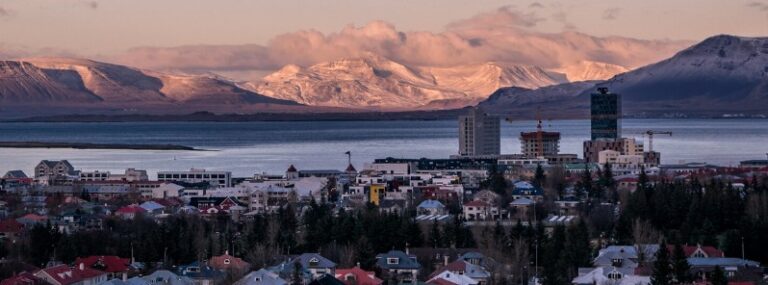
Temperatures in Viðidalur, Reykjavík, Iceland dropped to -23 °C (-9 °F) on December 28, 2022, marking the lowest temperature registered in the capital since 1918.
