The Watchers team and our contributors bring the latest on extreme weather, earthquakes, volcanic eruptions, space weather, and all things science. We're all about making sense of the natural world and keeping you informed on what’s happening. Got a tip or a question? Hit us up using the form at newstips!

  • Unexplained warm layer discovered in Venus’ atmosphere

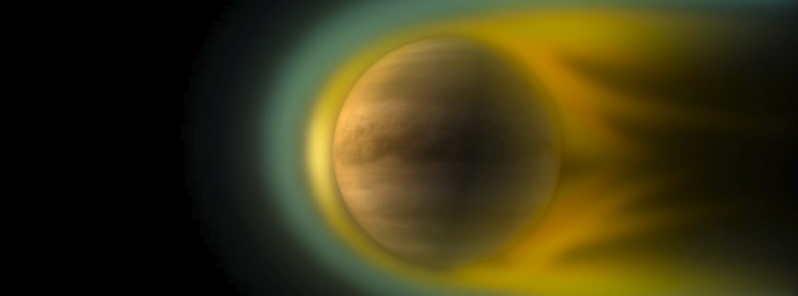
    A group of Russian, European and American scientists have found a warm layer in Venus’ atmosphere, the nature of which is still unknown. The researchers made the discovery when compiling a temperature map of the upper atmosphere on the planet’s night side ba

  • Landmark study proves magnets can control heat and sound

    Scientists from the The Ohio State University have discovered how to control heat with a magnetic field and presented their findings in the March 23 issue of the journal Nature Materials. The study is the first ever to prove that acoustic phonons – the elemental particl

  • Total solar eclipse of March 20, 2015 as seen from Svalbard, Arctic Ocean

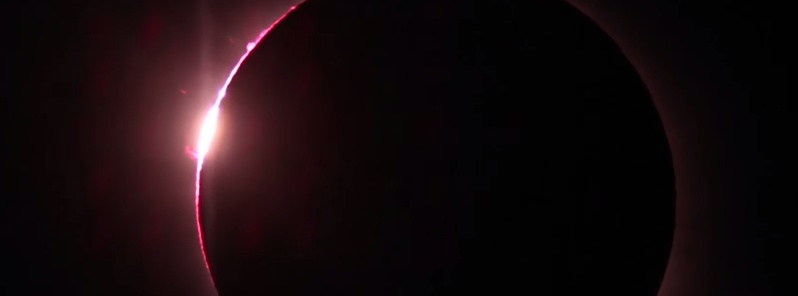
    This video of March 20, 2015 total solar eclipse was made by eclipse-chaser Nick James who was in Longyearbyen, Svalbard, for the event."The weather was perfect and the corona was amazing in a very transparent deep blue sky," James said."There were intere

  • Hundreds more starving sea lions continue to wash up on West Coast

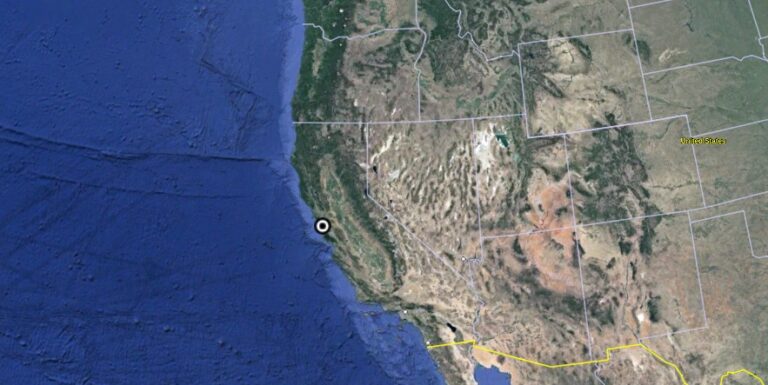
    According to Shawn Johnson, the director of veterinary science at Sausalito's Marine Mammal Center, for the third year out of five, thousands of sea lion pups have beached themselves in an effort to survive. The sea lions are too young to be without their mothers an

  • World’s largest asteroid impacts found in central Australia

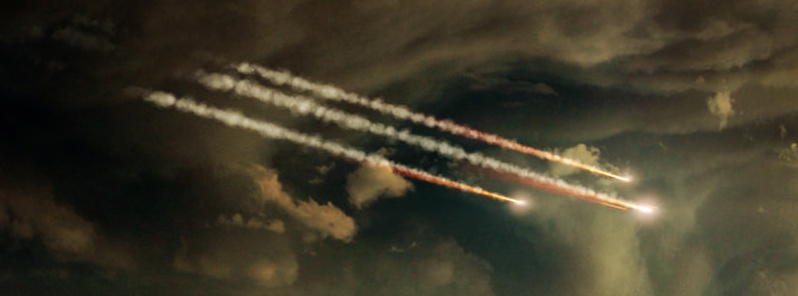
    A 400 km-wide impact zone from a huge meteorite that broke in two moments before it slammed into the Earth has been found in central Australia. The crater from the impact millions of years ago has long disappeared, but a team of geophysicists has found the twin scars of

  • Dawn of a new era: the revolutionary ion engine that took spacecraft to Ceres

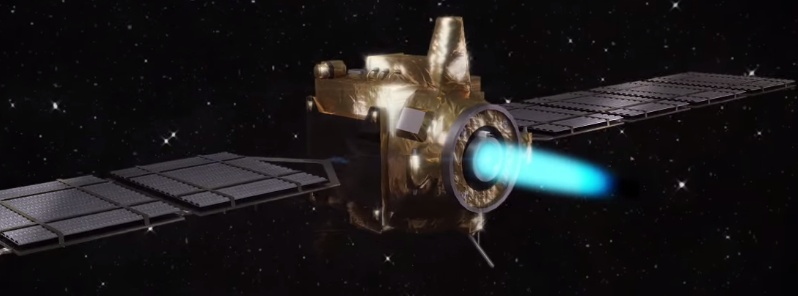
    The NASA spacecraft Dawn has spent more than seven years travelling across the Solar System to intercept the asteroid Vesta and the dwarf planet Ceres. Now in orbit around Ceres, the probe has returned the first images and data from these distant objects. But inside

  • United Nations urged to ensure open plant genomes

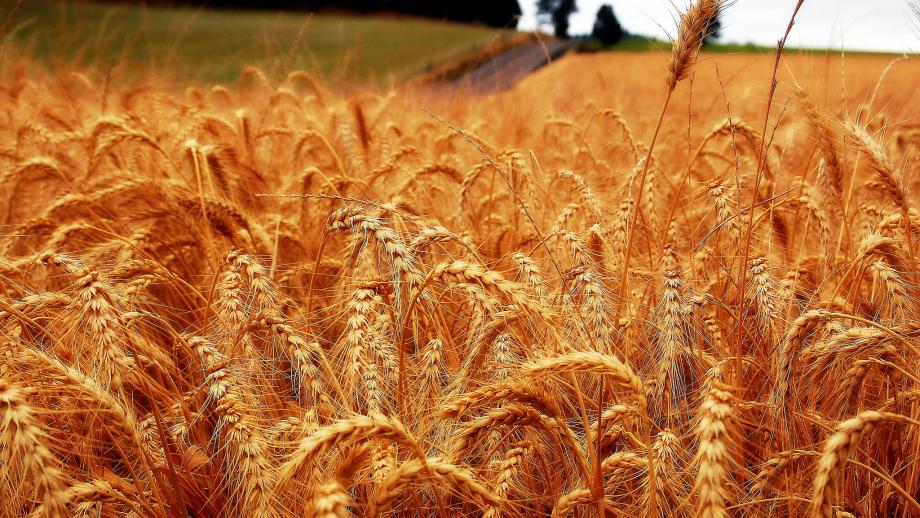
    A plant scientist from The Australian National University (ANU) has called for the United Nations to guarantee free and open access to plant DNA sequences to enable scientists to continue work to sustainably intensify world food production. Dr Norman Warthmann, a plant

  • It is a Magnetic Universe Genius

    Part one: Cosmic Accelerators Current physics cannot explain the intense galactic magnetic fields in spiral galaxies and also the source of high energy particles, both charged and neutral particles (Cosmic Rays and Neutrinos) because of the major defects in the fundamen

  • How is Mars rover Opportunity still alive?

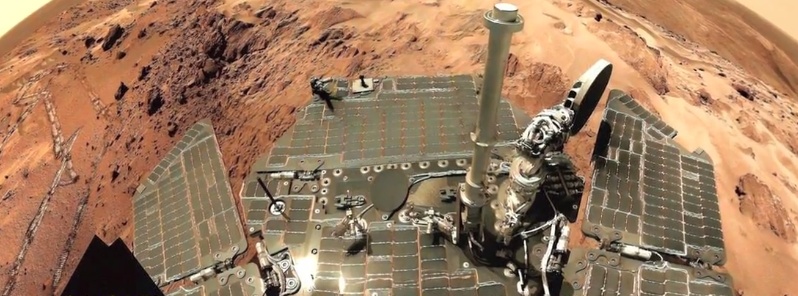
    Today, we review one of the great ongoing mysteries in the history of Mars exploration. In January of 2004, the Mars rovers Spirit and Opportunity arrived at the red planet about three weeks apart.Due to the extreme dustiness of the Martian environment, it was believed

  • Large underground ocean on Ganymede, Jupiter’s largest moon

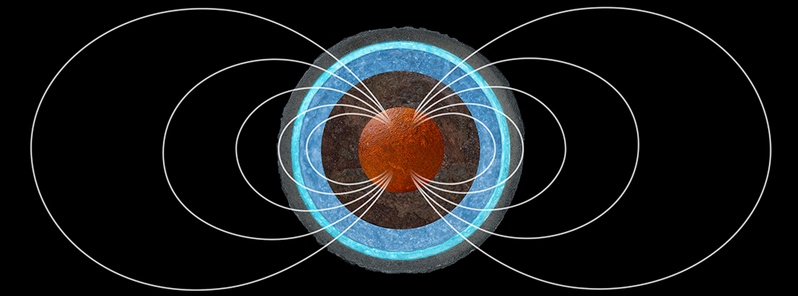
    Hubble Space Telescope has the best evidence yet for an underground saltwater ocean on Ganymede, Jupiter’s largest moon. The subterranean ocean is thought to have more water than all the water on Earth's surface. Identifying liquid water is crucial in the