I'm a dedicated researcher, journalist, and editor at The Watchers. With over 20 years of experience in the media industry, I specialize in hard science news, focusing on extreme weather, seismic and volcanic activity, space weather, and astronomy, including near-Earth objects and planetary defense strategies. You can reach me at teo /at/ watchers.news.

  • Active volcanoes in the world: May 14 – 20, 2014

    New activity/unrest was observed at 5 volcanoes from May 14 – 20, 2014. Ongoing activity was reported for 9 volcanoes.New activity/unrest: Ahyi, Mariana Islands (USA)  | Merapi, Central Java (Indonesia)  | San Miguel, El Salvador  | Santa Mar&ia
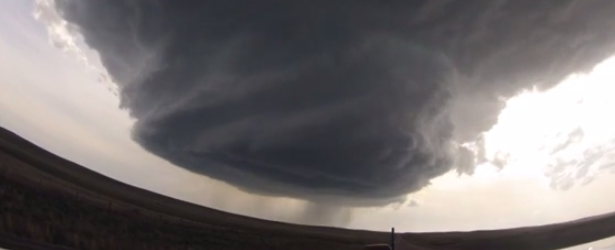
  • Epic time-lapse of supercell storm cloud formation

    A group of stormchasers called "Basehunters" have released two awesome videos of supercell cloud storms formed in northeast Wyoming (U.S.) over the last two days. Supercell storm clouds are rare, beautiful and extremely dangerous. The first vide

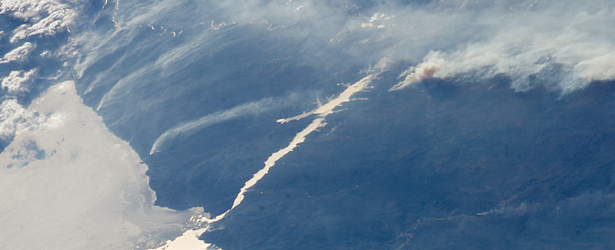
  • Early wildfires season around Lake Baikal, Russia

    Temperatures around Russian Lake Baikal have skyrocketed in the past few weeks to 21 degrees Celsius (70 degrees F) prompting outbreaks of fire. Temperatures in this region are usually cooler until late July/early August when the bulk of the wildfires in

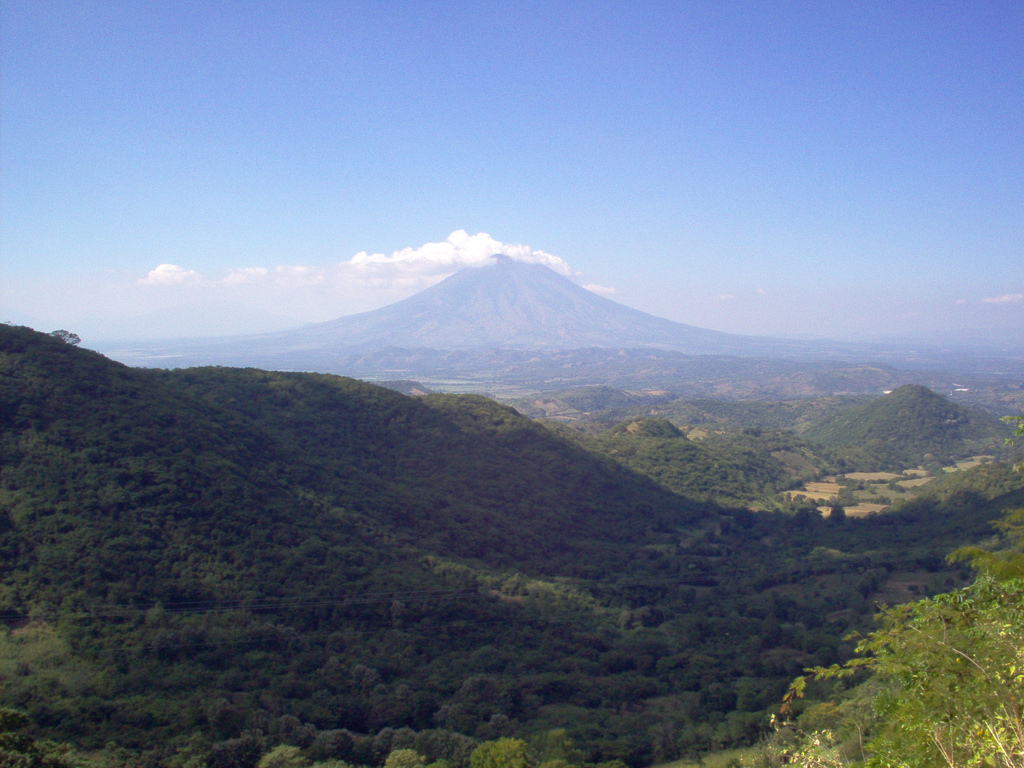
  • Simmering San Miguel prompts evacuations, El Salvador

    El Salvador authorities have evacuated more than 1 000 people living around the simmering San Miguel volcano, also known as Chaparrastique. They warned there is a high probability of eruption in the coming days and said evacuations are a precautionary measure.Armando Vi

  • Jupiter’s Great Red Spot shrinking at increasing rate

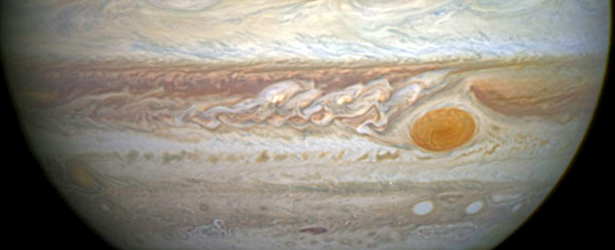
    The shrinkage of Jupiter's Great Red Spot has been known about since the 1930s but latest images by Hubble Space Telescope confirm the increasing shrinkage rate observed by amateur astronomers since 2012. Science has no answer as to why this is happening.H

  • Comet 67P/Churyumov–Gerasimenko develops coma

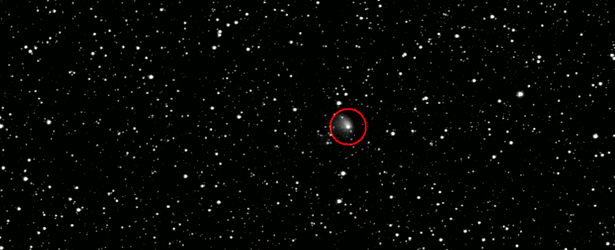
    As comet-chaser Rosetta approached its target to roughly 2 million km in early May, images captured by OSIRIS clearly showed that the comet has already developed 1 300 km long coma. This onset of activity offers scientists the opportun