The Weekly Volcano Activity Report: January 18 – 24, 2023
New activity/unrest was reported for 4 volcanoes from January 18 to 24, 2023. During the same period, ongoing activity was reported for 21 volcanoes.


New activity/unrest was reported for 4 volcanoes from January 18 to 24, 2023. During the same period, ongoing activity was reported for 21 volcanoes.
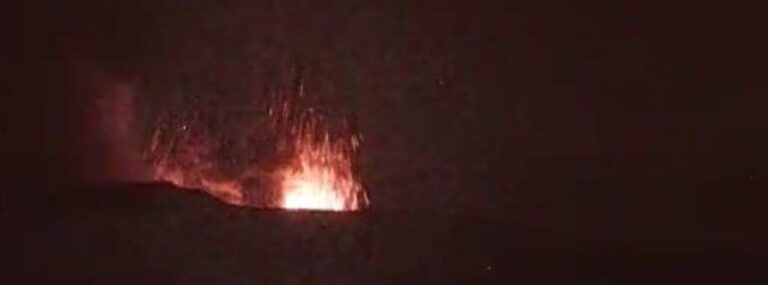
A series of eruptions were registered at Anak Krakatau, a volcanic island located in the Sunda Strait between the islands of Java and Sumatra in Indonesia, on January 22 and 23, 2023. The first took place at 17:41, and was followed by at least 8 eruptions by 02:38 UTC on January 23.

The extrusive eruption at Sheveluch volcano in Russia continues, with the growth of the lava dome and strong fumarole activity observed. Incandescence of the lava dome, explosions, and hot avalanches have also been reported in conjunction with this process.
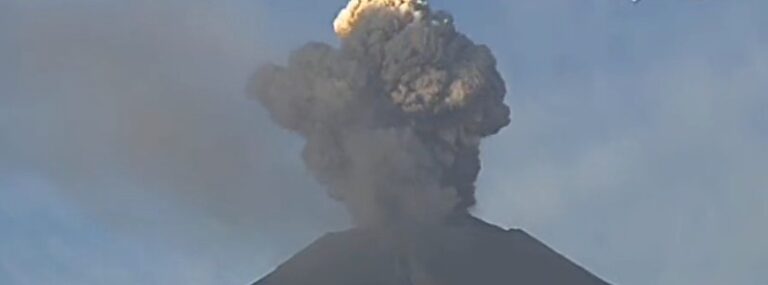
A stronger-than-usual eruption took place at Popocatepetl volcano, Mexico at around 13:38 UTC (07:38 LT) on January 21, 2023.
New activity/unrest was reported for 5 volcanoes from January 11 – 17, 2023. During the same period, ongoing activity was reported for 15 volcanoes.

A new study published in AGU’s Geochemistry, Geophysics, Geosystems has revealed the existence of a magma chamber beneath the Kolumbo volcano, located near Santorini, Greece. Using a high-resolution technology called full-waveform inversion, the study found that the magma chamber poses a serious hazard as it could produce a highly explosive, tsunamigenic eruption in the near future.
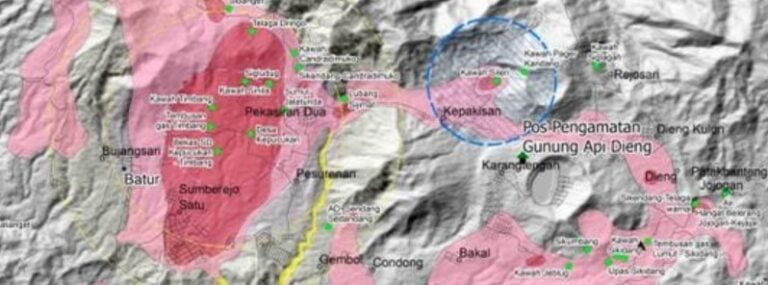
Observational data shows an increase in seismicity at Indonesia’s Dieng volcano, prompting the Indonesian Centre for Volcanology and Geological Hazard Mitigation (PVMBG) to raise the Alert Level from 1 to 2 (on a scale of 4) on January 13, 2023. The Dieng Volcanic Complex, which is made up of multiple stratovolcanoes and more than 20 small Pleistocene-to-Holocene craters, last erupted in April 2021 (VEI 1).
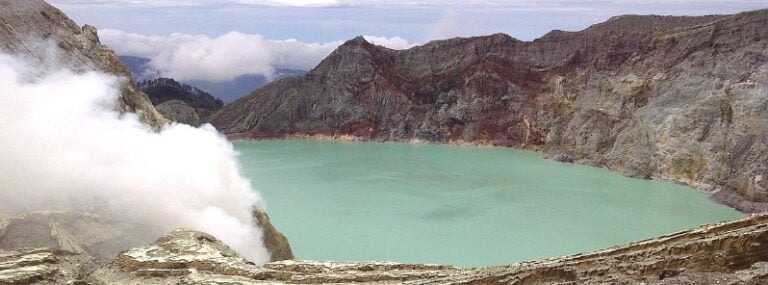
The Volcanology and Geological Disaster Mitigation Center (PVMBG) reported that beginning in July 2022, the seismic network at Ijen volcano in East Java, Indonesia began detecting increasing numbers of shallow volcanic earthquakes and earthquake signals characteristic of emissions, indicating increasing pressure at shallow depths within the hydrothermal system.
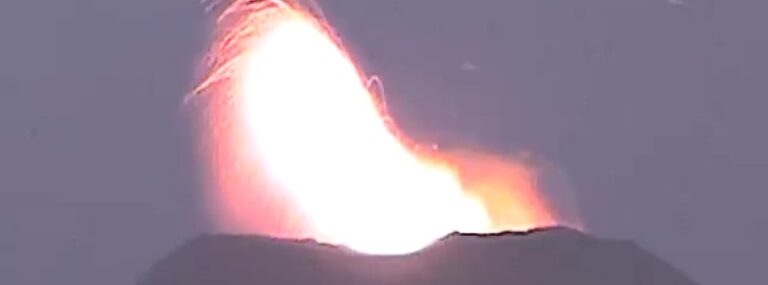
Intense strombolian activity continues at Villarrica volcano, Chile, with lava fountains reaching up to 150 m (490 feet) in height. The Alert Level remains at Yellow (the second lowest level on a four-color scale).
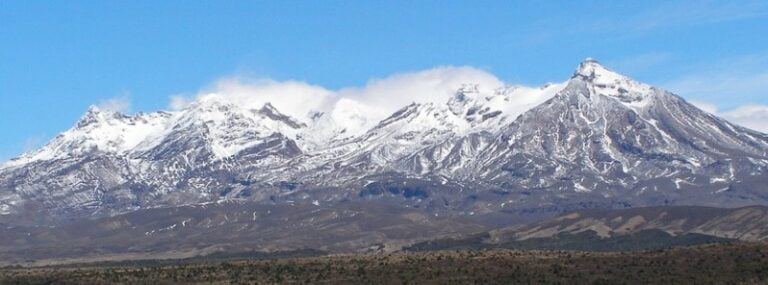
Recent activity at New Zealand’s Ruapehu volcano has shown an increase in the temperature of the summit Crater Lake, known as Te Wai ā-moe, rising to more than 30 °C (86 °F) and consistent with heat flow into the lake of about 150-200 MW. Despite this, the level of volcanic unrest activity remains low, with monitoring indicators remaining within the normal range for this type of activity. The Volcanic Alert Level remains at Level 1 and the Aviation Color Code remains Green, indicating a low risk of eruption.
