• Extreme cold event in BC causes near-total crop failure, Canada

    The British Columbia wine industry is bracing for unprecedented crop losses due to an extreme cold event in January 2024, with preliminary estimates forecasting a production decrease of 97 – 99%, resulting in industry-wide revenue losses between $440 – 445 million.

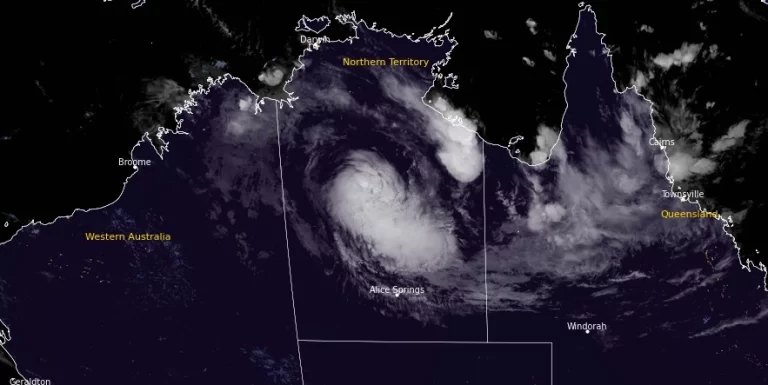
  • Tropical Cyclone “Lincoln” hits Gulf of Carpentaria, heavy rainfall and damaging winds continue, Australia

    Tropical Cyclone “Lincoln” made landfall on the Gulf of Carpentaria coast between Port McAarthur and the Northern Territory – Queensland border at 06:00 UTC on February 16, 2024, as a Category 1 storm. Shortly after, it weakened and moved west across the Northern Territory, with heavy rainfall forecasted and a moderate risk of redeveloping into a tropical cyclone.

  • Widespread liquefaction hampers reconstruction after M7.6 earthquake in Ishikawa, Japan

    In the aftermath of the January 1 earthquake, the city of Wajima in Ishikawa Prefecture faces significant challenges due to liquefaction, severely impacting infrastructure and complicating relief efforts. Continuous aftershocks further hinder the restoration process, with houses, roads, and manholes notably affected. Governor Hiroshi Hase has requested a comprehensive investigation from the central government to address the escalating situation, emphasizing the need for seismic reinforcement of underground infrastructure.

  • Floods and landslides hit Ecuador, leaving two dead and thousands affected

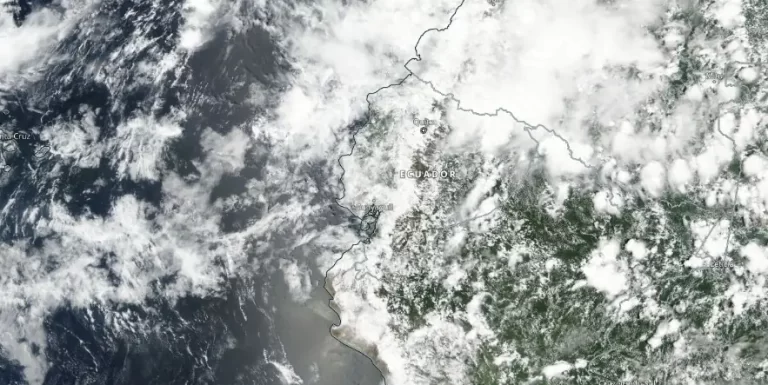
    Heavy rain has been affecting Ecuador since January 29, 2024, resulting in devastating floods and landslides across the country. Two fatalities were reported in Azuay Province, with four others injured in Chimborazo and Loja. The disaster has affected over 16 600 individuals, predominantly in Los Ríos, Manabí, Esmeraldas, and Guayas provinces, leading to the destruction of 36 houses and damage to 3 180 others.

  • 50 homes damaged, 5 destroyed by twin tornadoes in Limassol, Cyprus

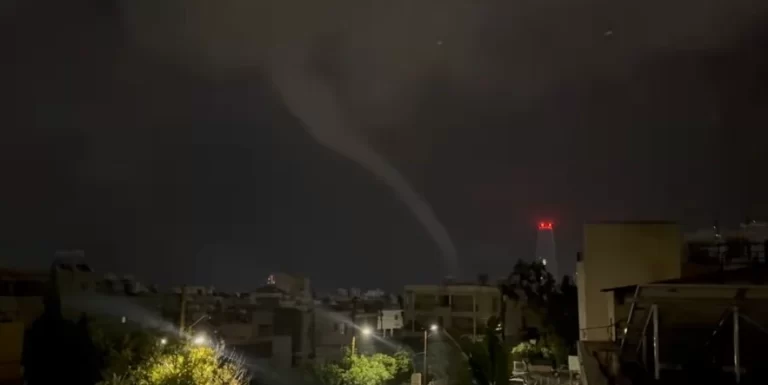
    Two tornadoes wreaked havoc in Limassol, Cyprus, on February 14, 2024, causing extensive damage across the city, particularly in the Germasoyeia suburb. The storms tore roofs off houses, downed a building crane, and caused other significant infrastructural damage. Local officials report that the damage is massive and unprecedented, with emergency services and maintenance workers responding to the aftermath.

  • New insights into the predictability of Earth’s magnetic field reversals

    In a groundbreaking study published on February 3, 2024, a team of scientists led by Daniil Tolmachev introduced a novel approach to predicting Earth’s magnetic field reversals. Titled “Predictability of Magnetic Field Reversals,” the research utilizes mathematical modeling to identify early warning signals of these geomagnetic phenomena, potentially offering a new paradigm in understanding and preparing for their consequences on technology and life on Earth.

  • Major wildfire in Christchurch’s Port Hills, state of emergency declared, New Zealand

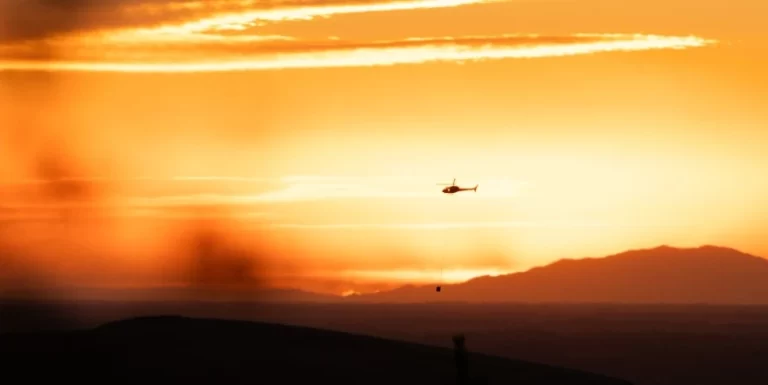
    Fire and Emergency New Zealand reported a large vegetation fire covering about 650 ha (1 606 acres) in the Port Hills near Christchurch on February 15, 2024. A state of emergency was declared the previous day, with 130 firefighters, 11 helicopters, and heavy machinery deployed. Evacuations affected 80 properties, though no homes were lost. The blaze remains uncontained, and a public health warning was issued due to smoke.

  • Strongest explosive eruption at Sakurajima volcano since 2020, Japan

    A strong eruption took place at Sakurajima’s Minamidake crater at 09:33 UTC (18:33 LT) on February 14, 2024, producing a thick black ash column that rose up to 6 km (20 000 feet) above sea level accompanied by volcanic lightning. This is the strongest eruption at Sakurajima since 2020.